Cyclone Sigma was severe, with 18 people in Townsville losing their lives. Most of these drowned when the Ross River broke its banks, with parts of Town having a flood depth of 2m.
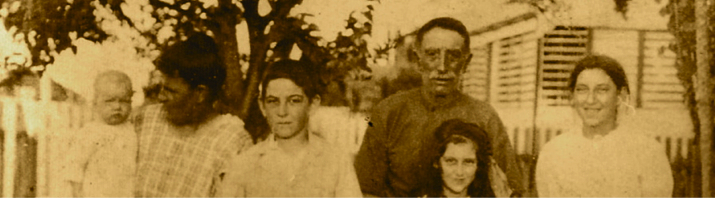
George and Jane Coleman, and their children, including Emily Jane (then aged 14 years), were living in North Queensland at the time Cyclone Sigma struck Townsville. The family were either still living at Wyandotte Station (near Cardwell), but more likely had already moved to their home in Fifth Ave, South Townsville. (To confirm, I probably need to check where their children were born – Emily was born at Wyandotte, but many of her younger siblings were born in Townsville, its simply a matter of finding out which sibling was first born in Townsville to best work out when the Colemans moved there).
Abraham Wilson was still living in Rockhampton so was unaffected by Cyclone Sigma.
Joseph Raynor, as yet unmarried, could have been in Townsville, but this seems unlikely.
Isabella Smyth (nee Shiels), and her daughters, including Mary Jane Smyth (then aged 11 years) were living in Townsville somewhere, possibly in the City area, or at Stewart’s Creek (something I’m currently researching).
I’ve come across an old article in a scanned Newspaper on National Library of Australia, which describes Cyclone Sigma in detail, which I’ll include in a post soon.

