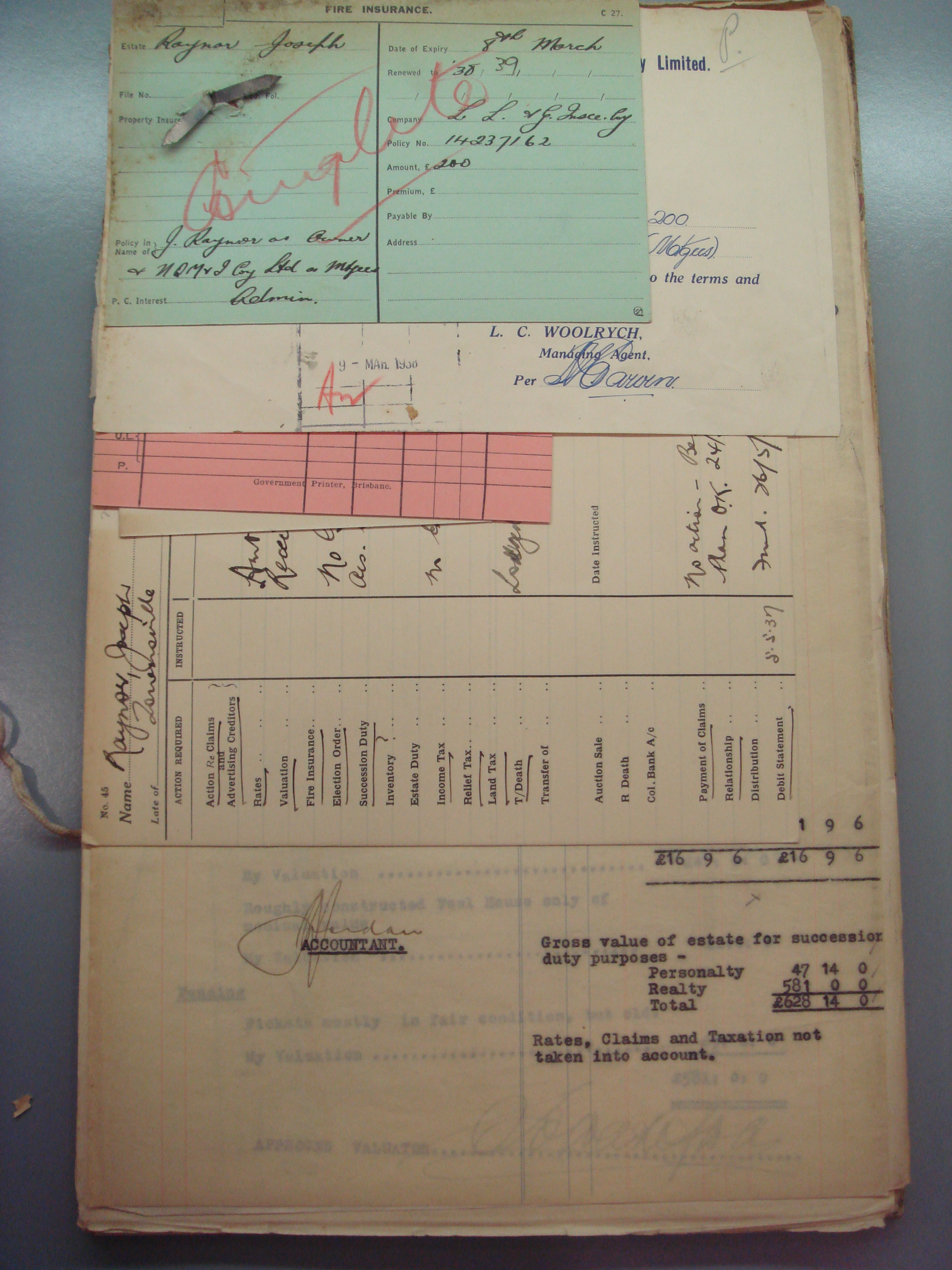
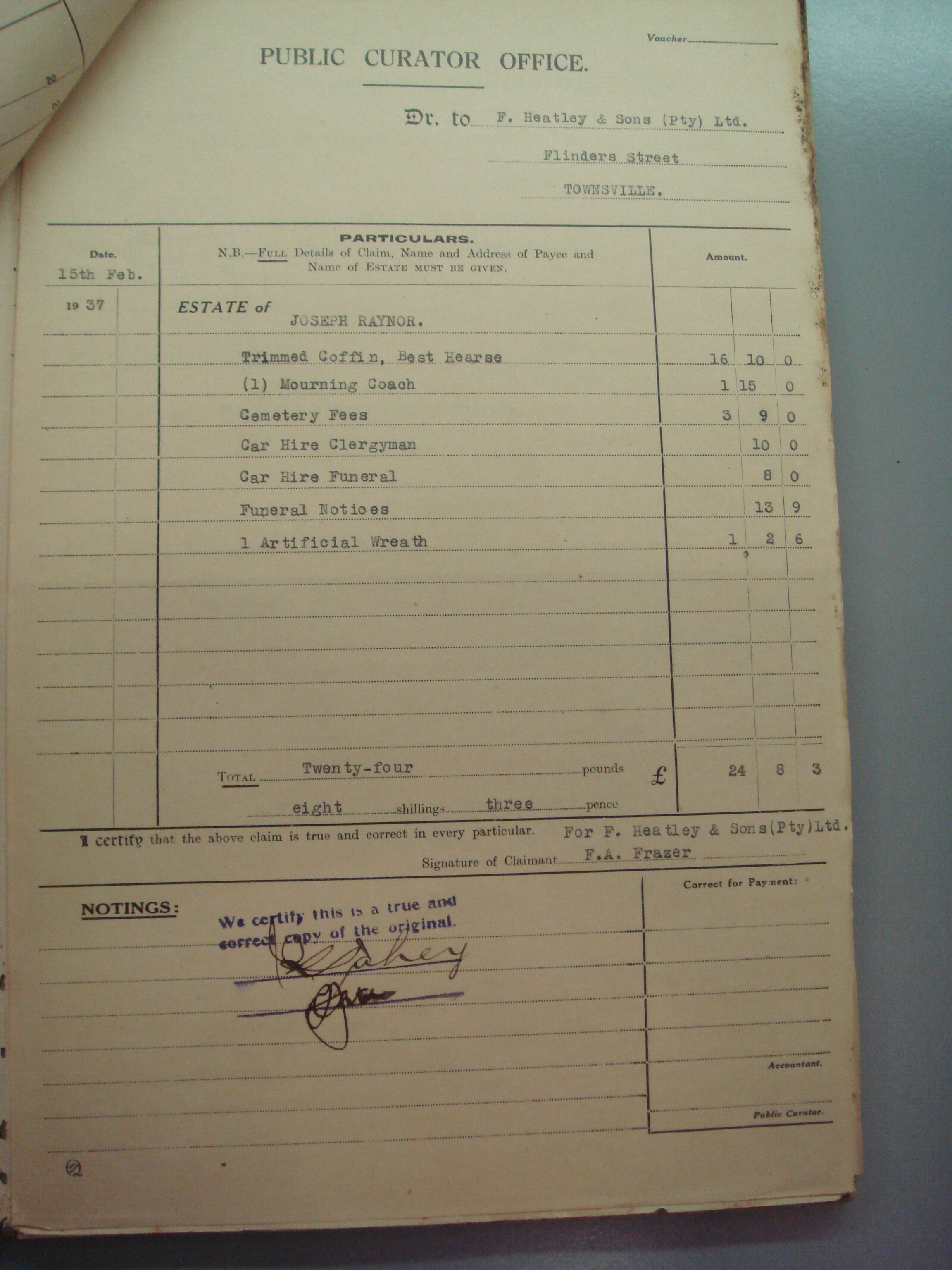
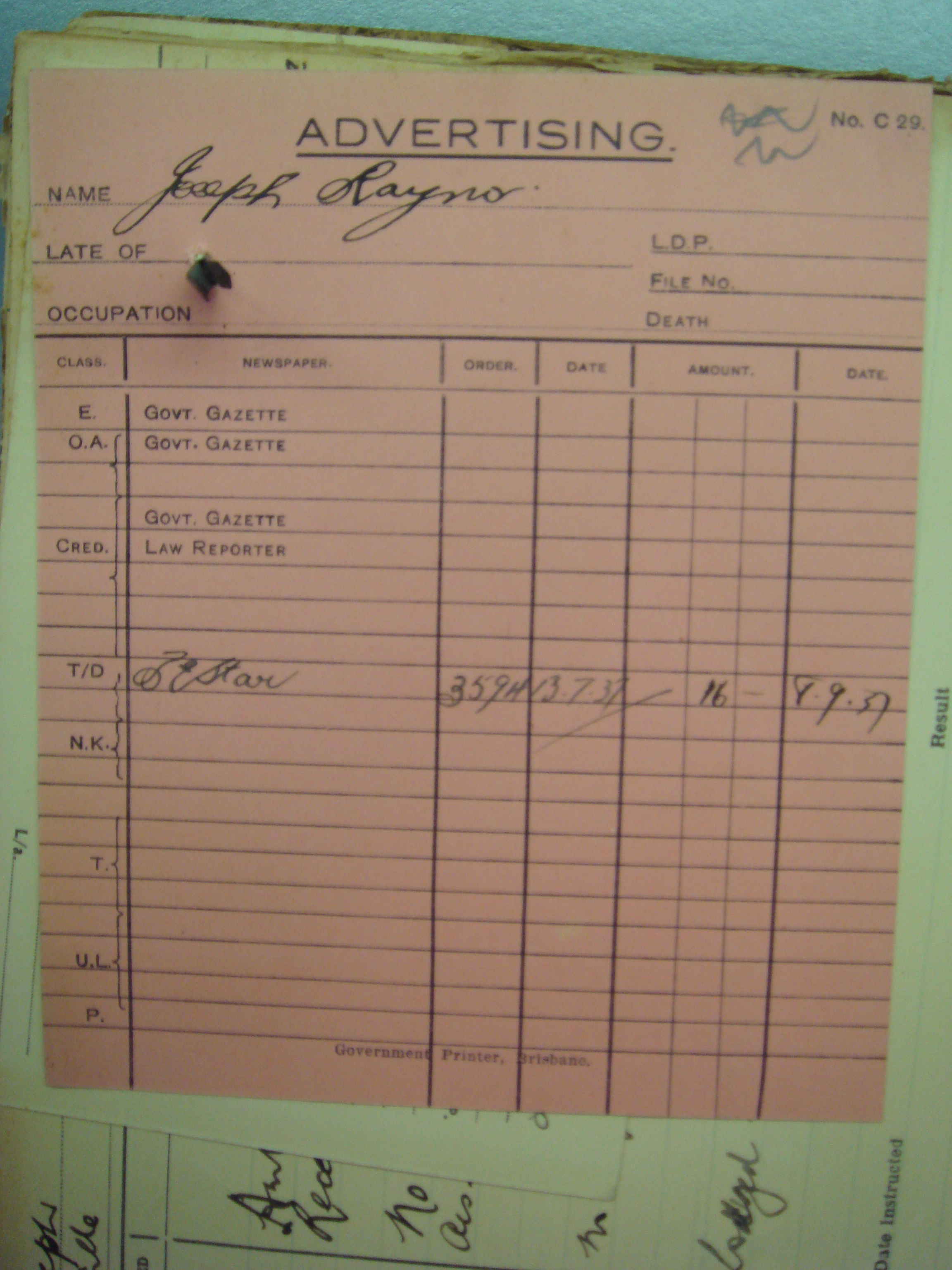
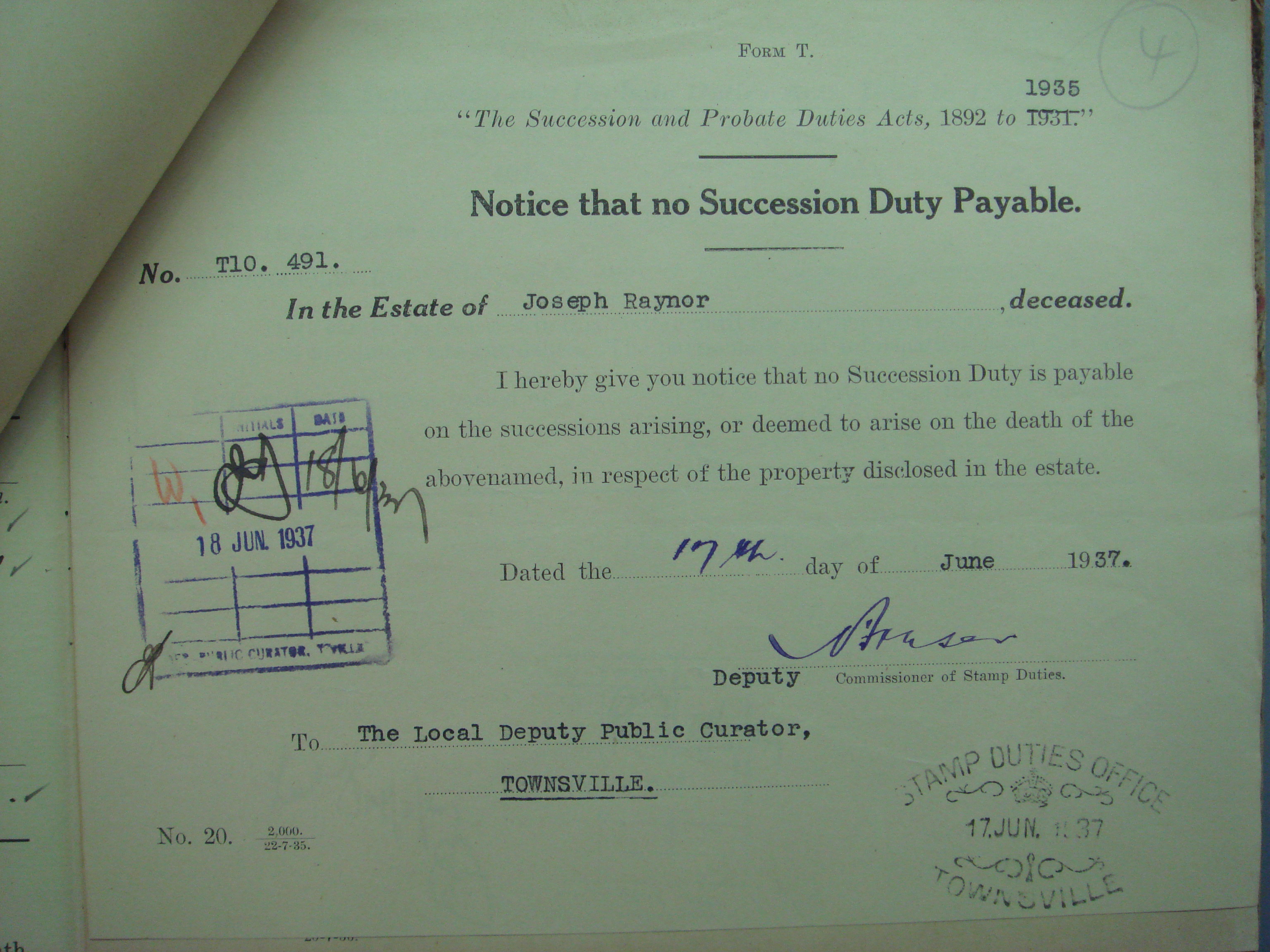
Last year I was able to view Joseph Raynor’s Will, held at Queensland Archives. All Wills can be accessed 75 years after the person’s death. I was very excited to discover that his will was being held there, and especially that we could actually get to see it! What secrets will it reveal, did he leave any clues on his sicilian family? One of the QLD Archive staff alerted us to the existence of wills held in QLD Archives, so the personal visit proved useful. I had not anticipated that Joseph would have had a will – given he lived a very poor existence. I had originally planned to just see Joseph’s bankruptcy file which I had found out was held in QLD archives via their online index databases.
Firstly the big moment – the QLD Archive staff retrieved the file and left it on a shelf for our collection and viewing. Everything in QLD Archives is treated with extreme care, so as not to damage old documents. We followed the instructions and carefully picked up Joseph’s estate file and took it to a desk for viewing. I remember being very careful as I untied the ribbons holding the estate file together, I did not want to accidentally damage or lose any document in there.
The will file had a surprising amount of documents attached, so I decided I would take photos of the entire file for later reading – given time was short and I may not have enough time to read everything in the file.
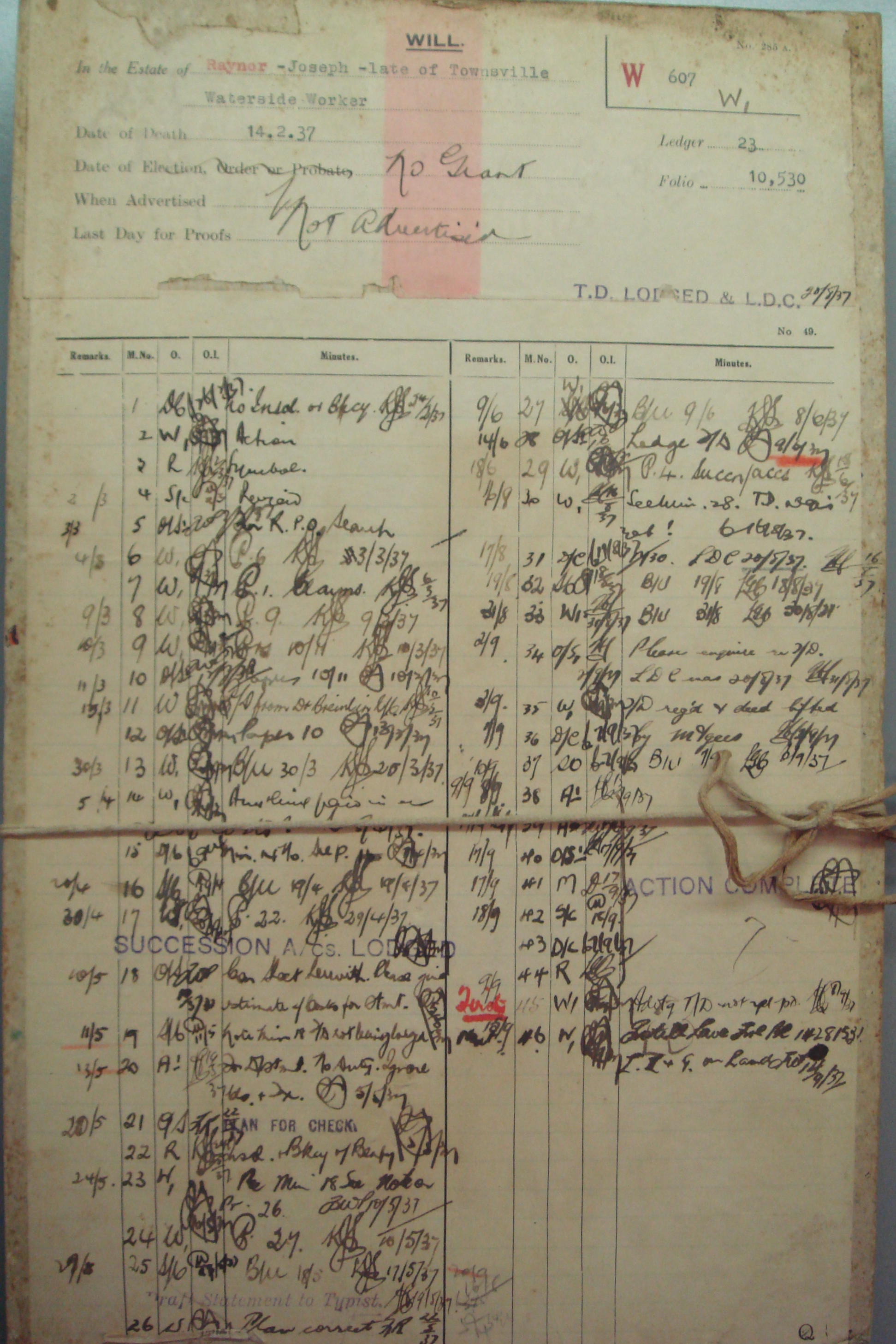
This was the cover document to the will. I think it was a covering document to a number of other wills – but we only had Joseph’s file for viewing:
So what was in the will file?
In rough date/interest order:
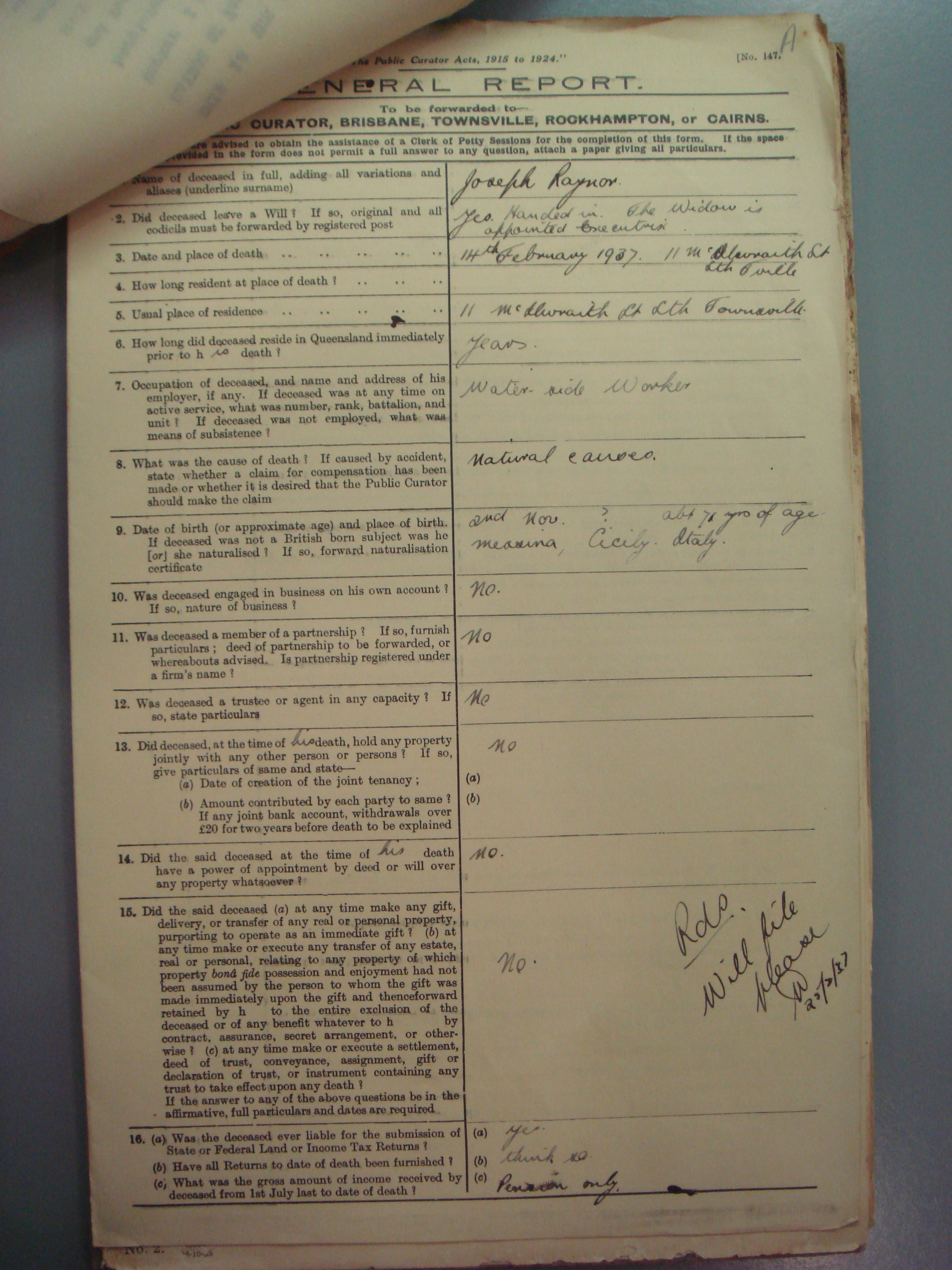
Mary Jane’s report of Joseph Raynor’s death on 14 February 1937:
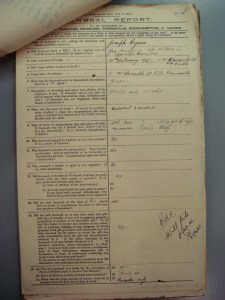
I noted in the above Mary knew Joseph’s birthday – 2 November, but was unsure about the year of birth (marked with a question mark above). Given Joseph’s age was listed as 71 years, this would mean his date of birth is actually 2 November 1865, not 1866 as is commonly stated in our family records (I will update my posts to reflect his).
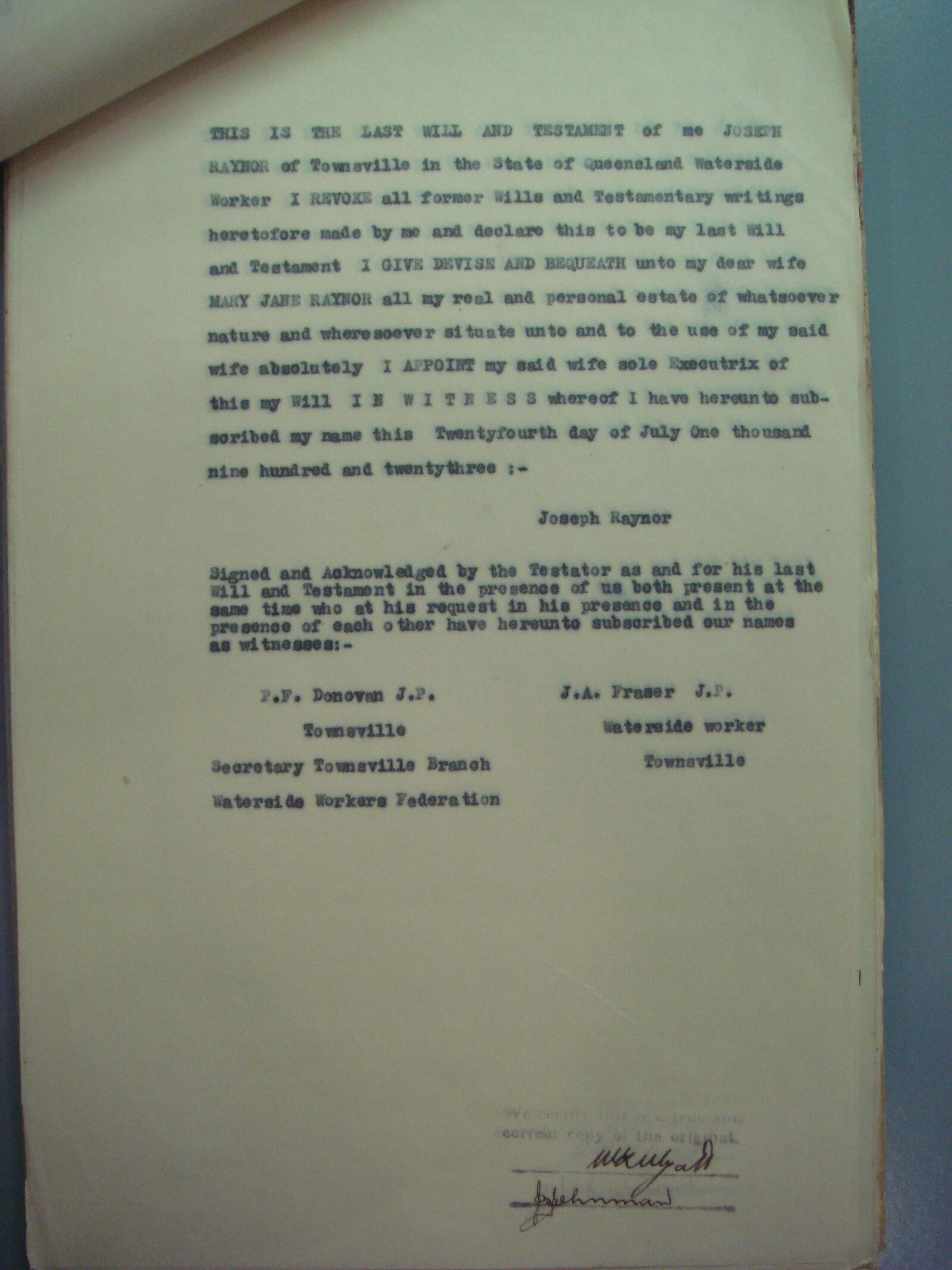
Joseph’s will dated 24 July 1923. Interestingly the will held is not personally signed by Joseph, or the witnesses. I had a thorough look for a signed will but this was the only copy of the will provided.
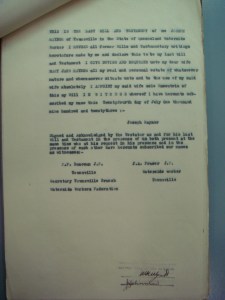
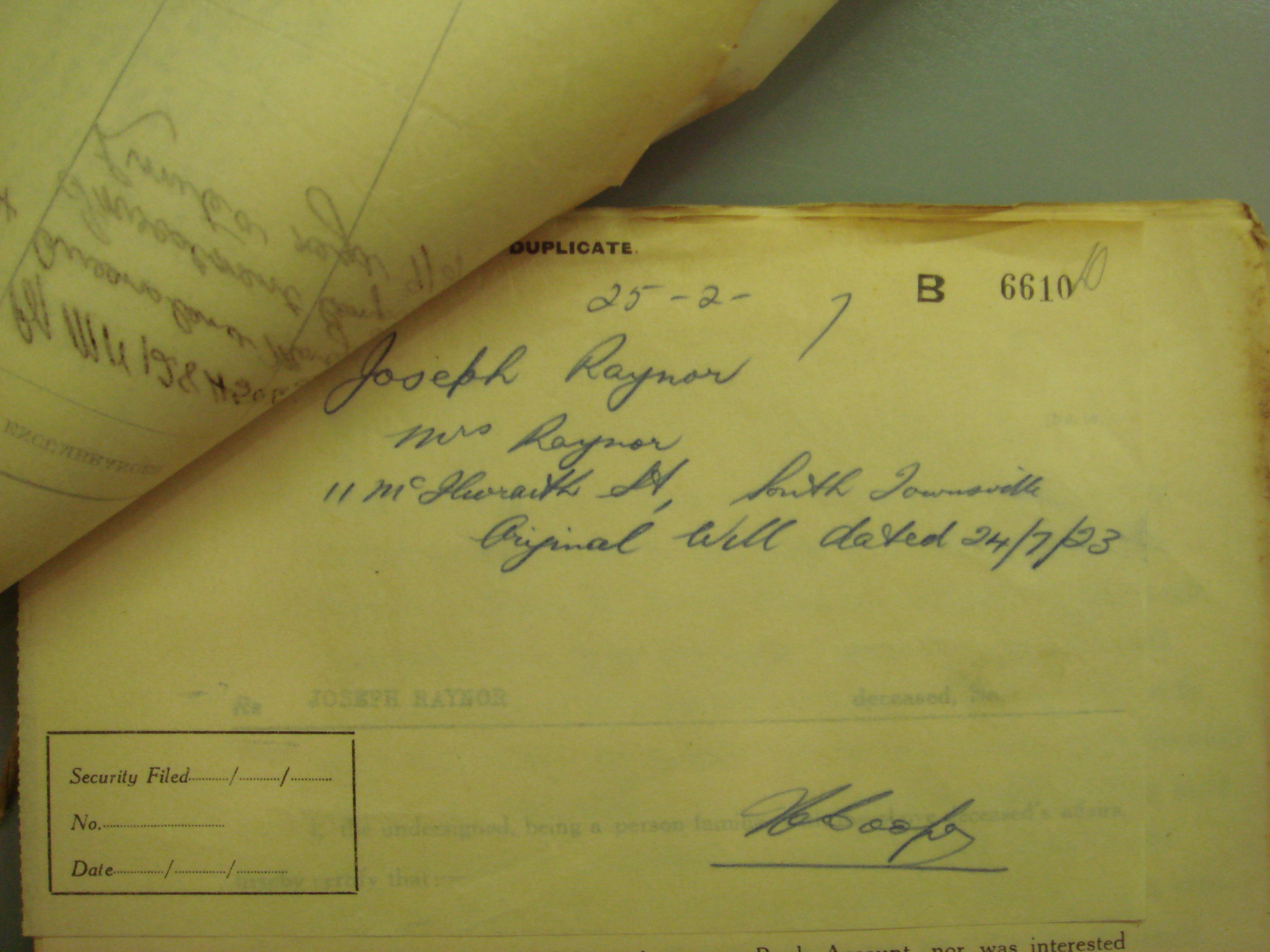
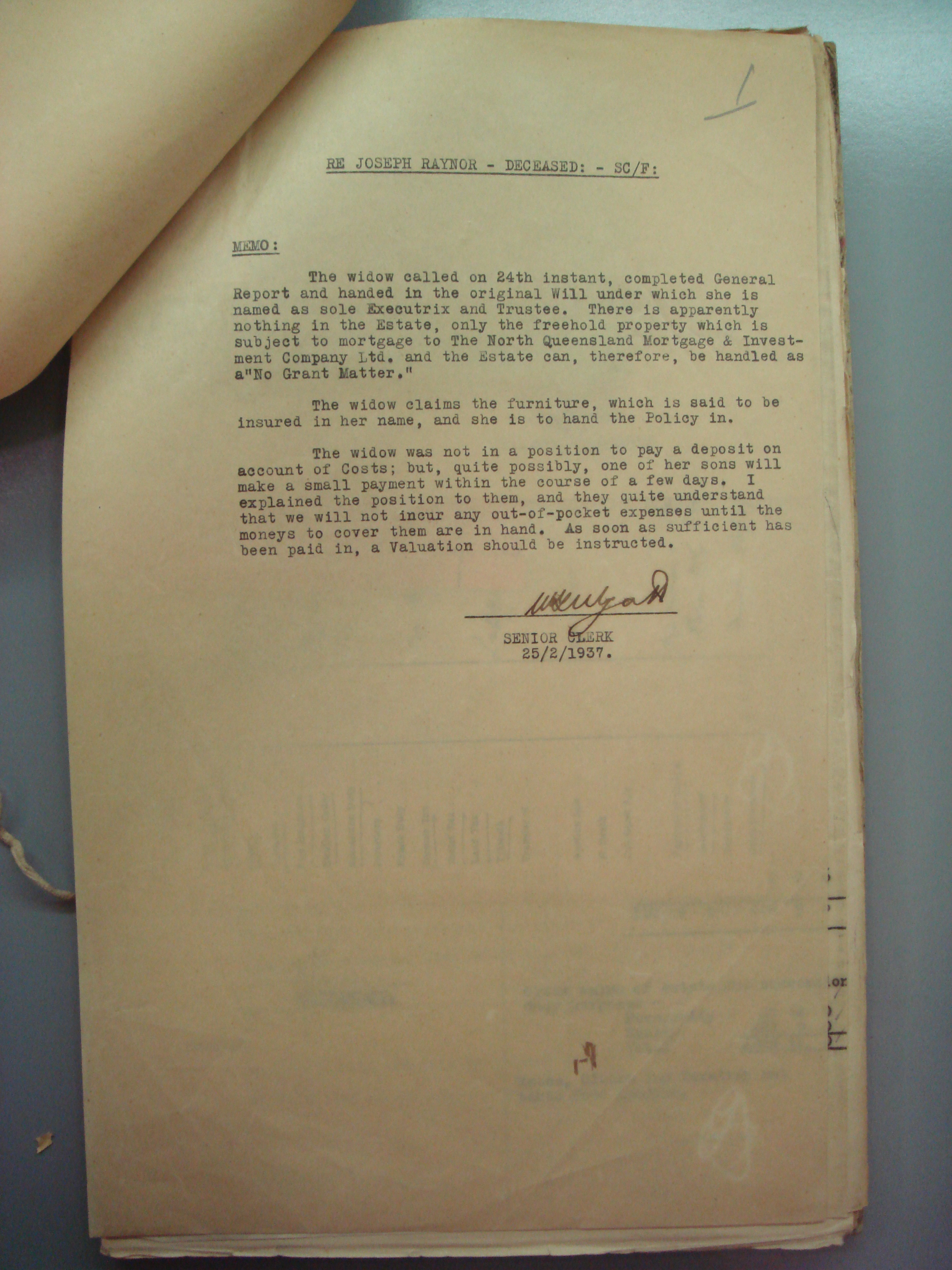
On 25 February 1937, 11 days after Joseph had passed away, Mary Jane visited the public curator and provided a copy of the will. While Joseph died broke, he still had an estate to bequeath. She could not afford a lawyer to handle the estate so she visited the public curator who discussed with her what needed to be done, and gave her a receipt for the will:
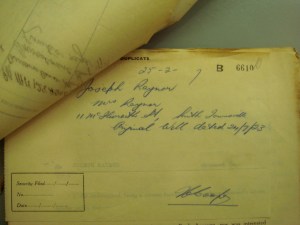
There was some discussion about the costs of the public curator – he would not proceed with the estate until Mary paid a deposit for the curator’s costs:
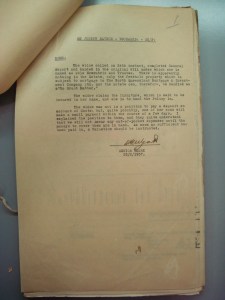
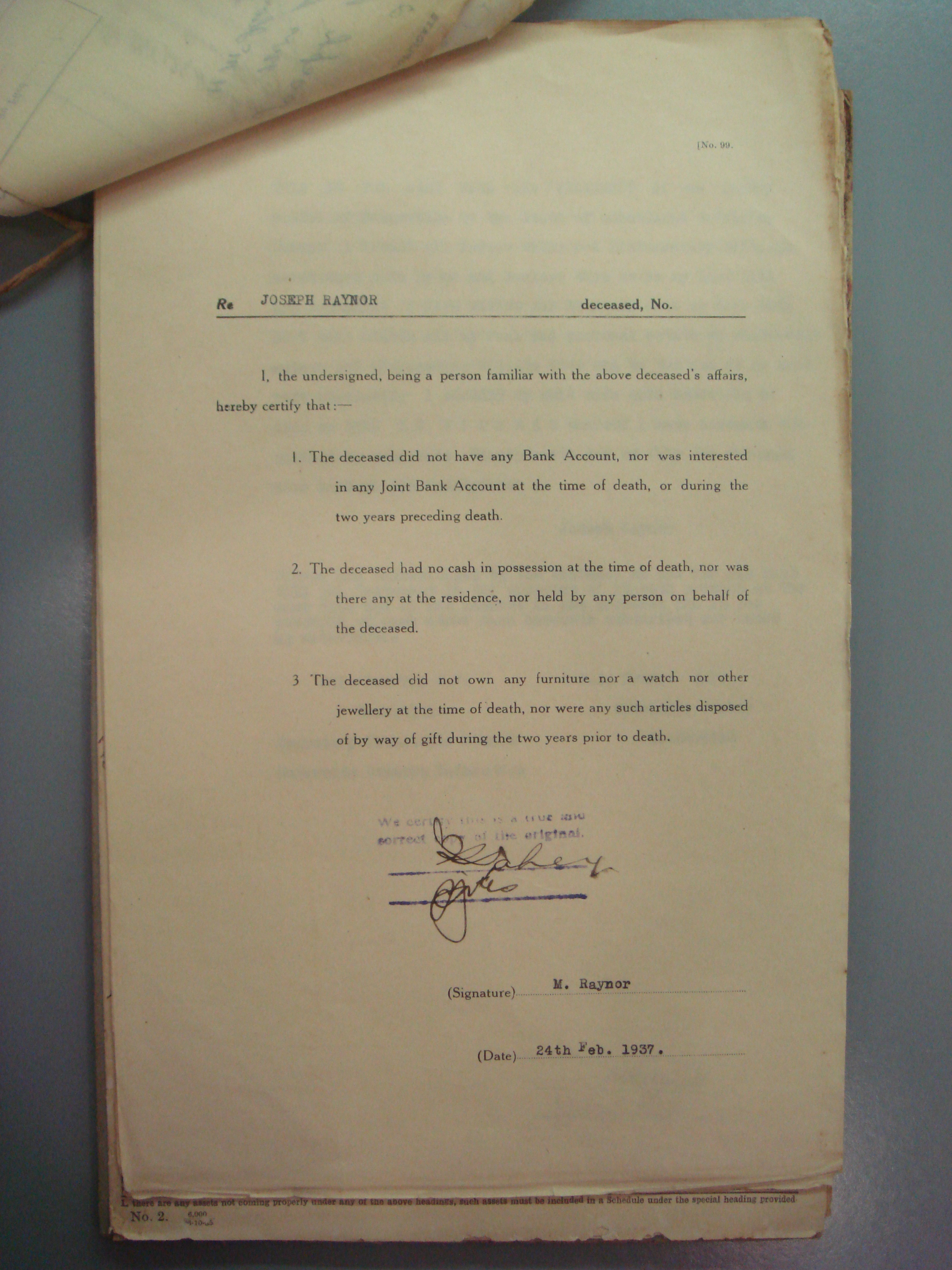
At the time Joseph died, he was as poor as the proverbial church mouse. Mary made a declaration to this effect:
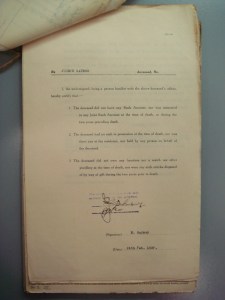
He had no bank account (always paid wages in cash and never made any savings), no jewellery (not even a watch!) and owned nothing other than the mortgage on his house (the property was in his name).
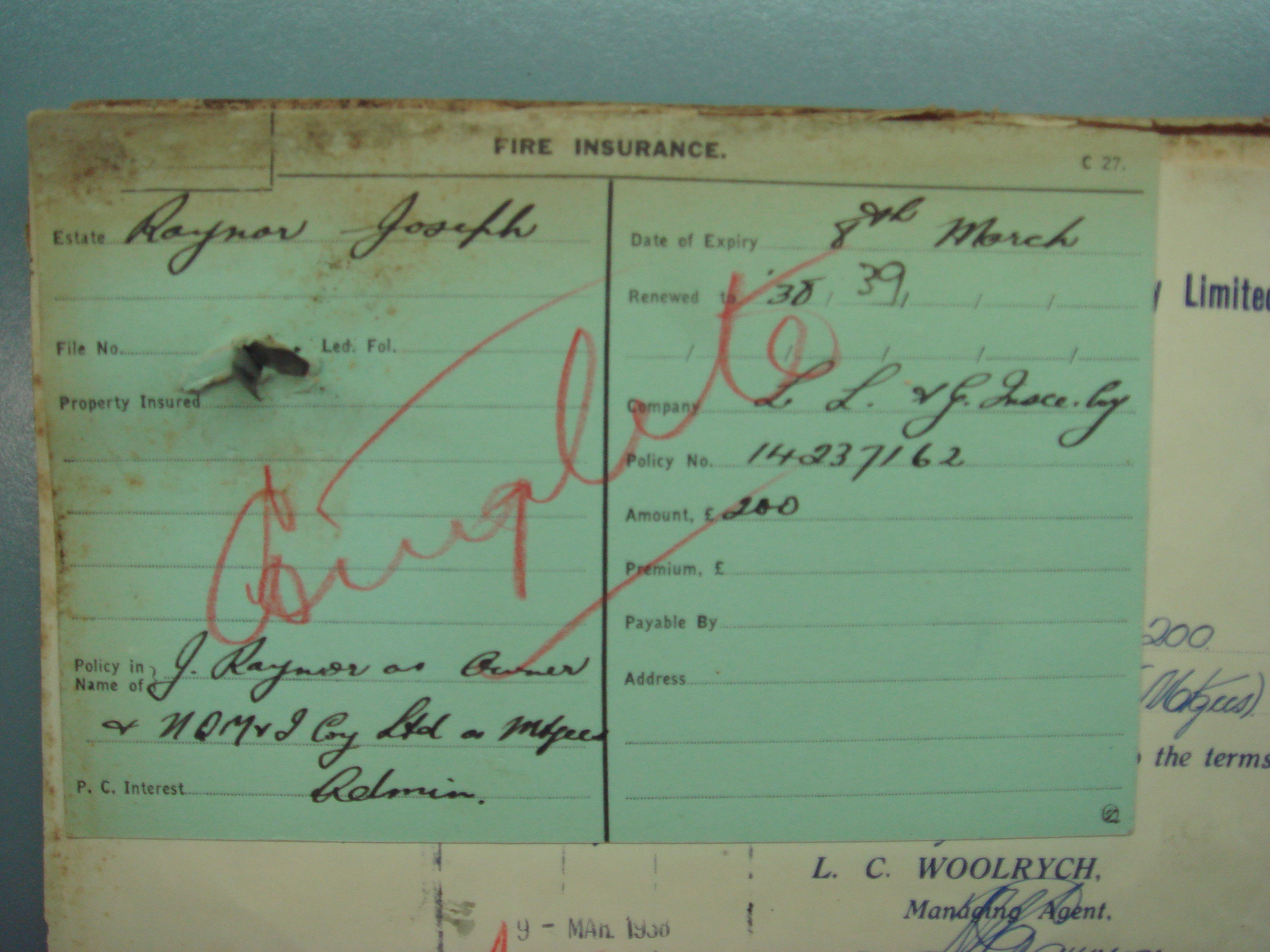
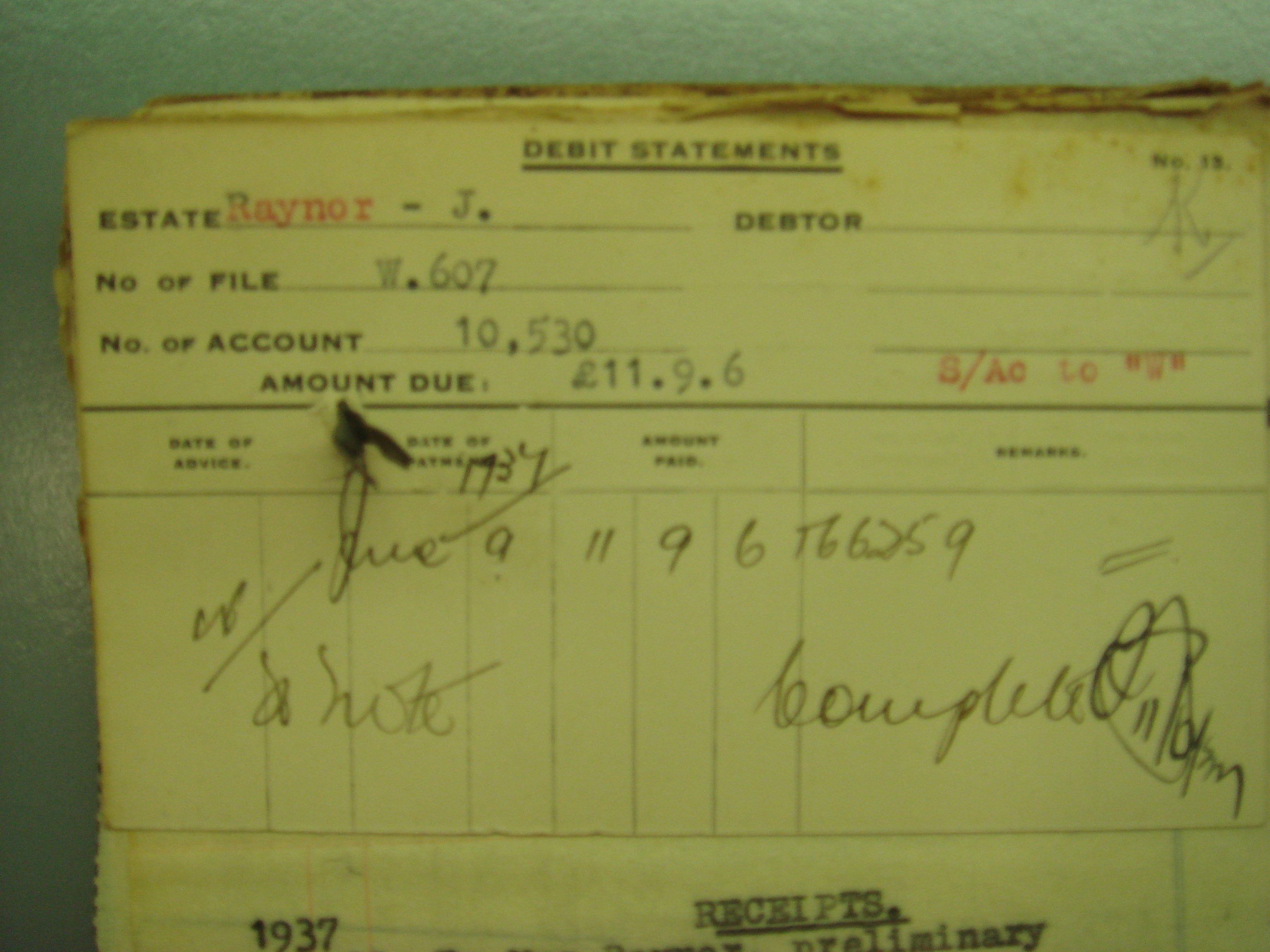
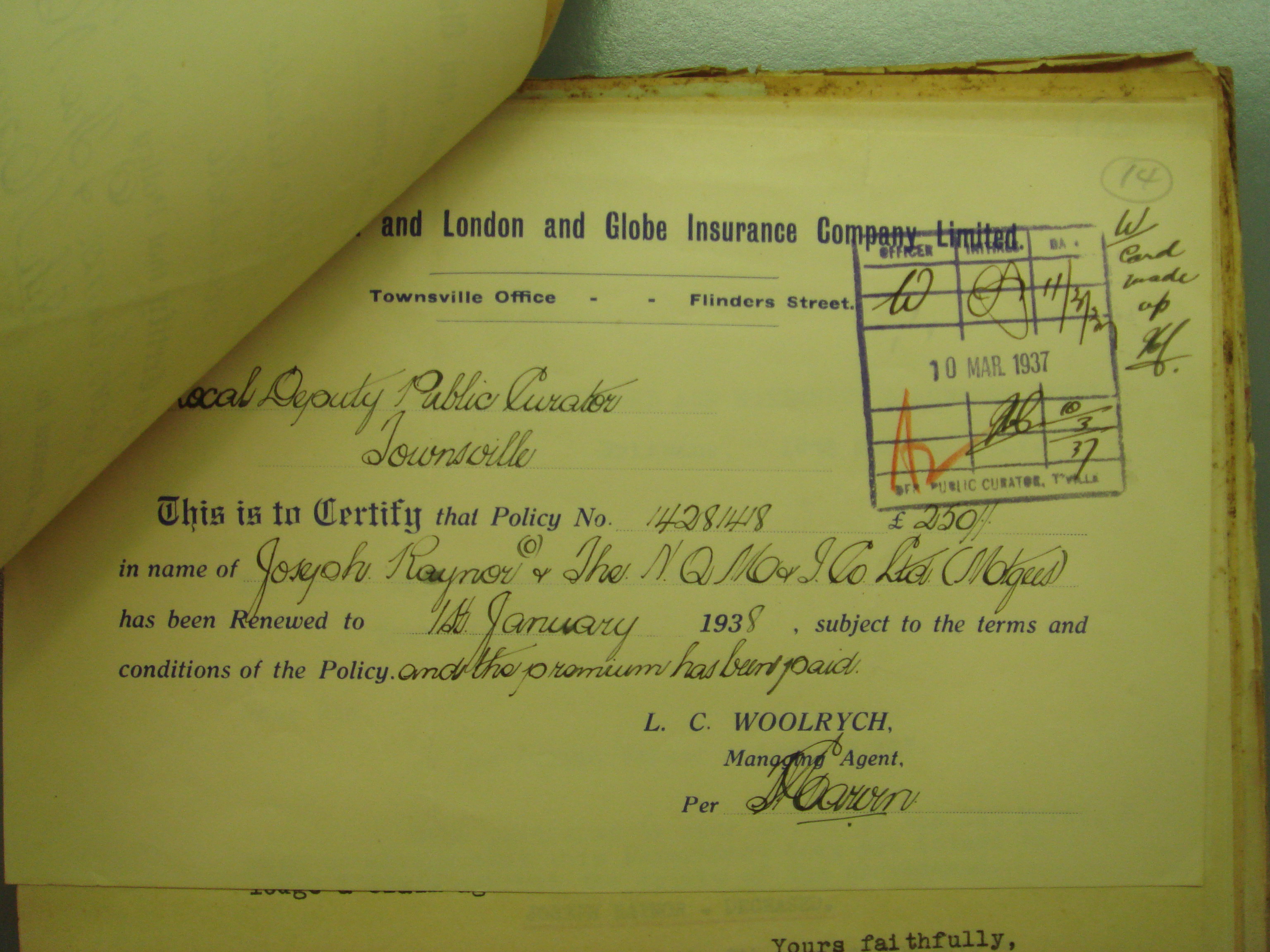
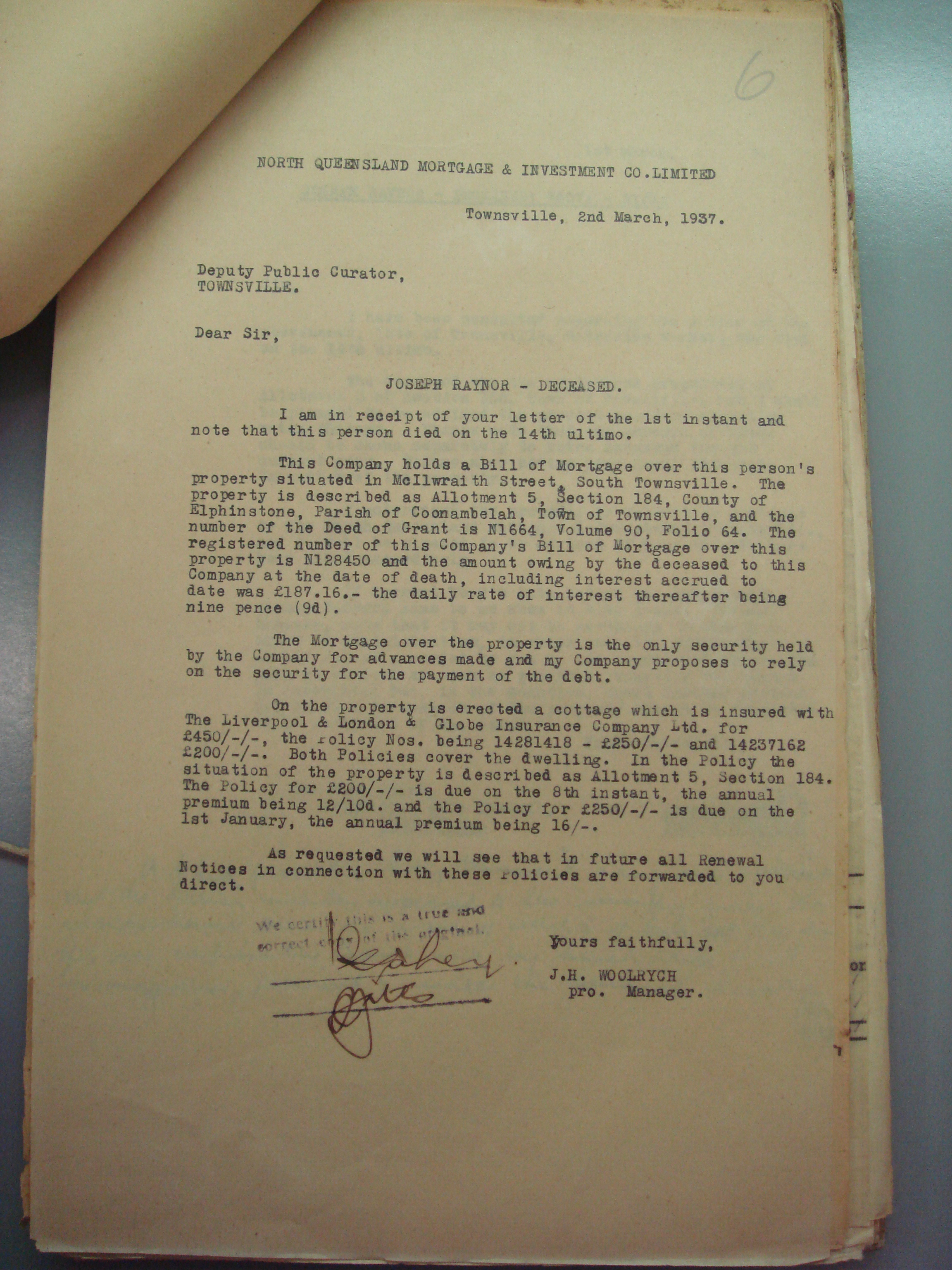
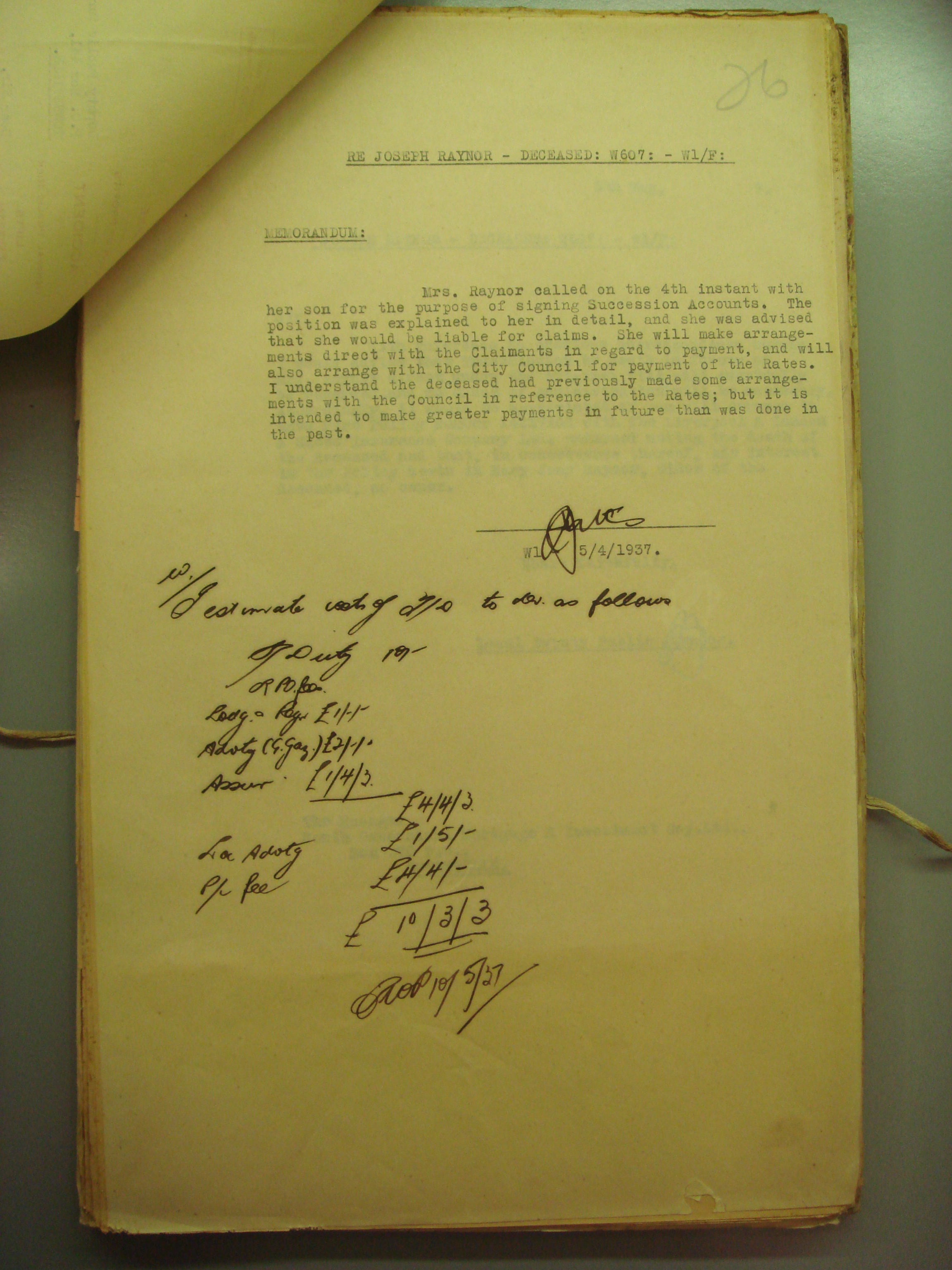
He also had some debts, mostly associated with overdue payments for the house – insurance, rates, and the mortgage payment:
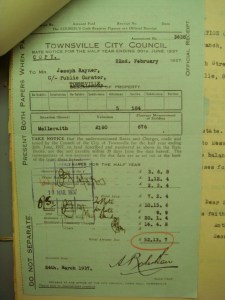
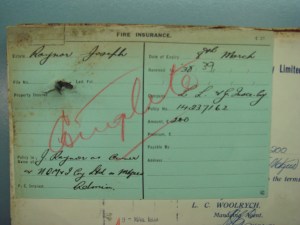
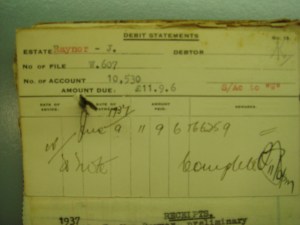
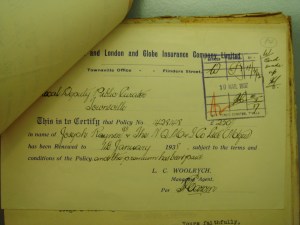
Below is a letter explaining insurance of the house – and the amounts outstanding:
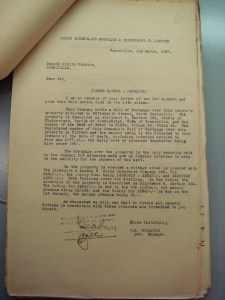
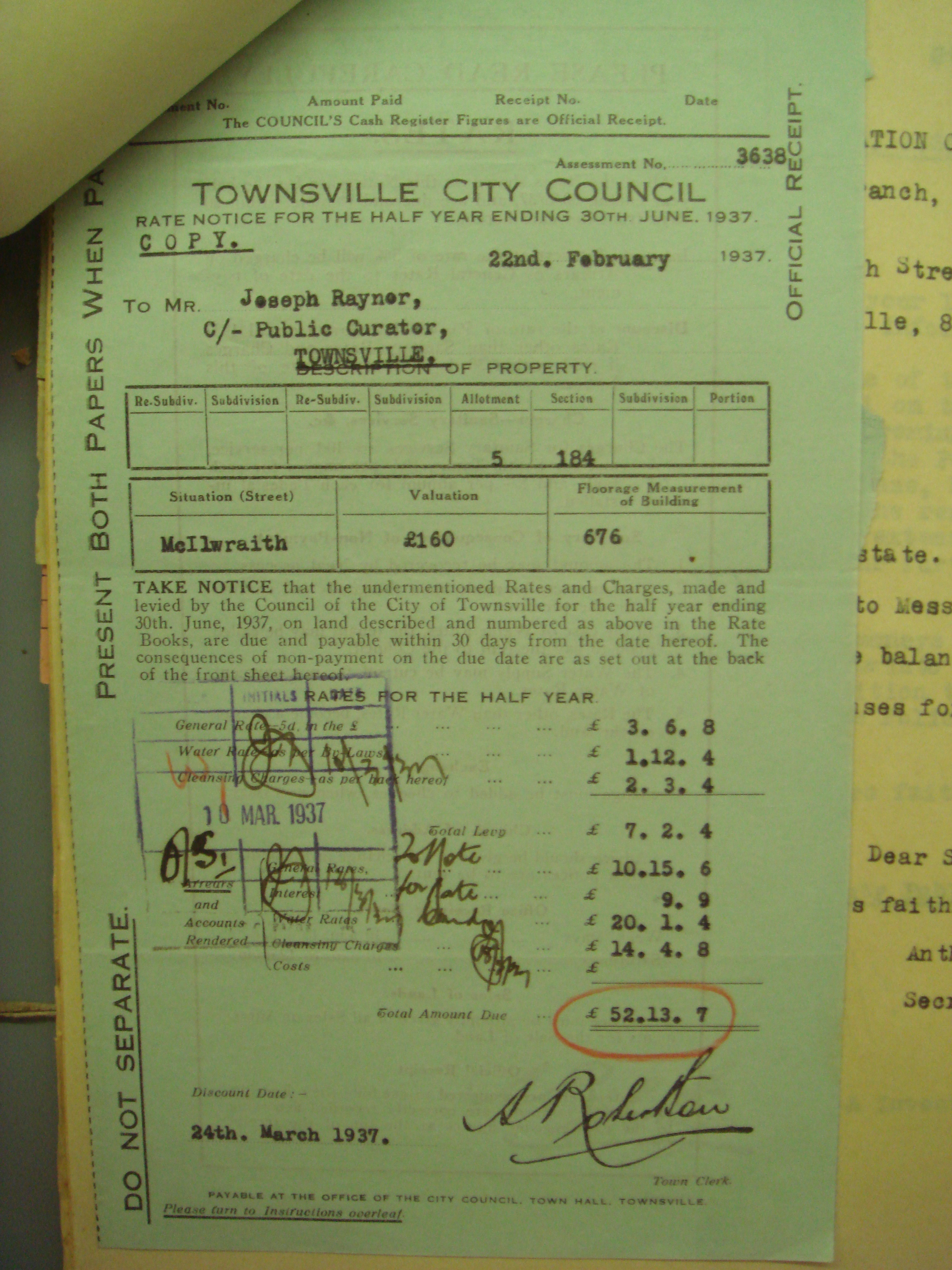
Joseph had not kept up payments on Council rates up to date, and the letter below states Mary agrees to pay more in future to keep rates up to date. At the time of Joseph’s death he owed approximately 52 pounds – which was a lot of money in those days – so he was very behind in rates payments.
On the plus side, Joseph’s estate had a couple of small payments received:
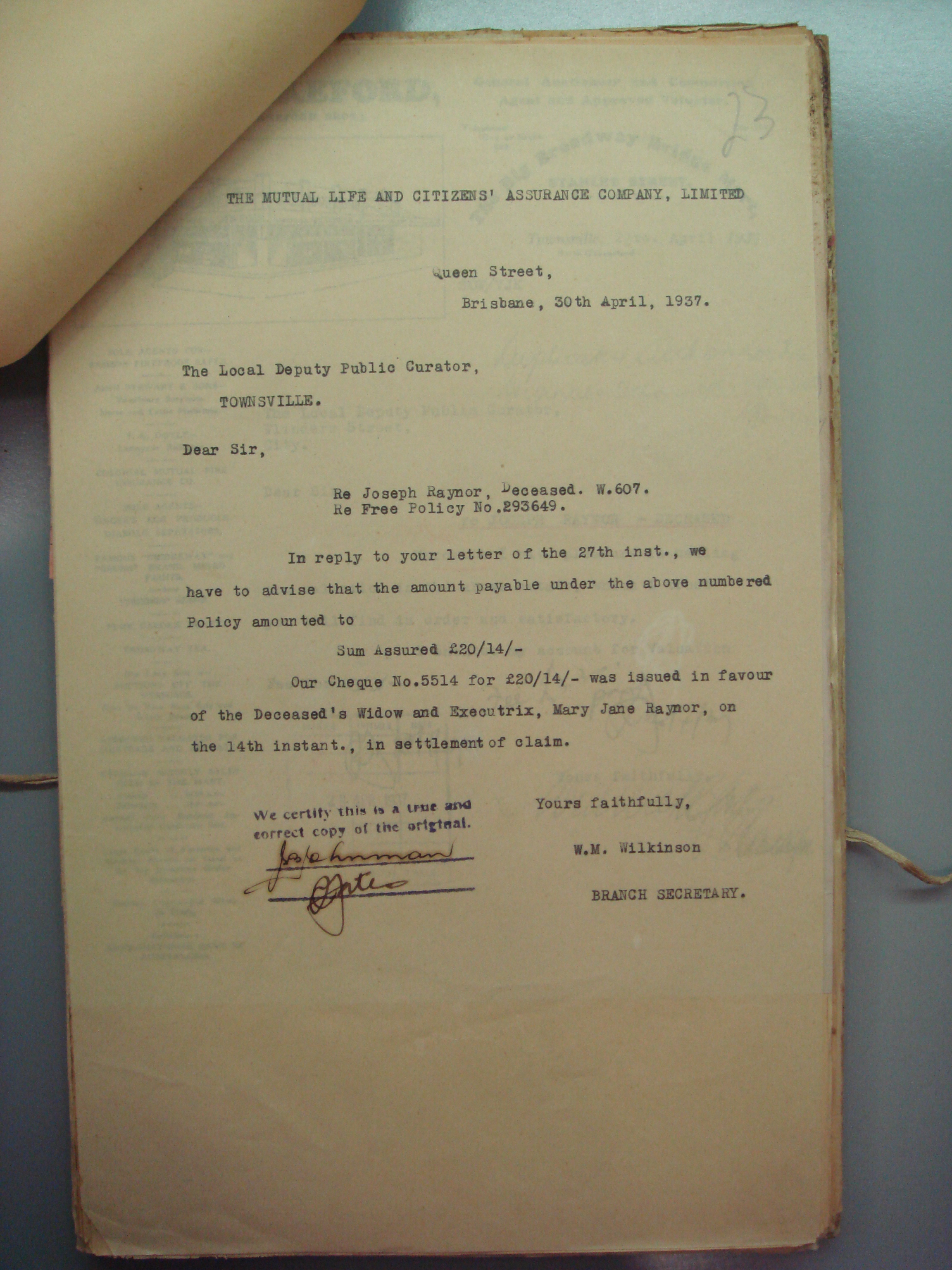
The above is a life insurance payout of approximately 20 pounds.
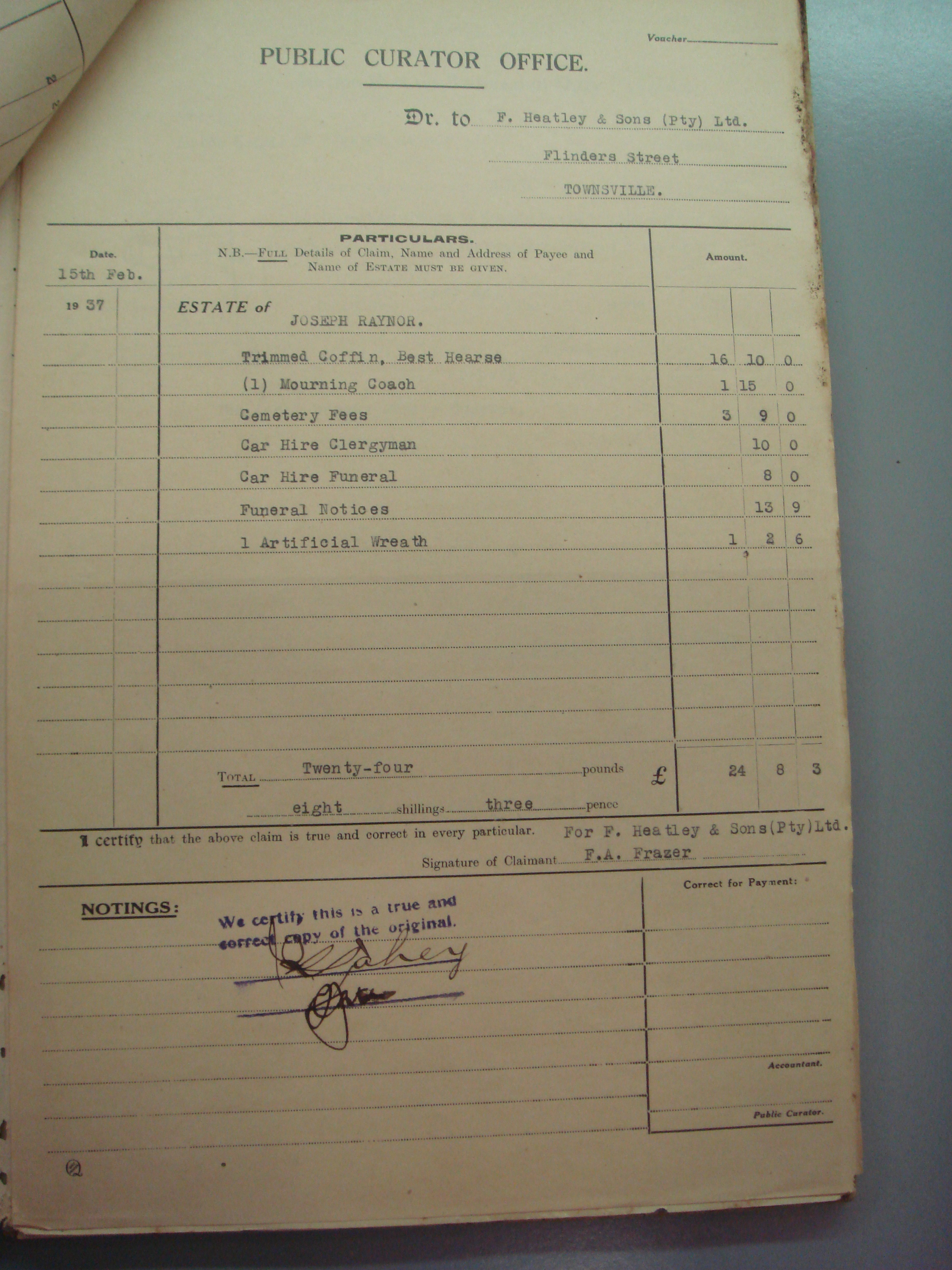
The Waterside Workers Union, who probably made Joseph take out the life insurance policy (if not his employers) also arranged Joseph’s Will and paid for his funeral. Joseph’s estate was paid 27 pounds, of which 24 pounds was spent on the funeral:
Mary received the difference of funeral expenses versus Workers Waterside Federation payout for funeral (27 pounds for funeral, minus 24 pounds plus for funeral meant Mary received approx 2.5 pounds).
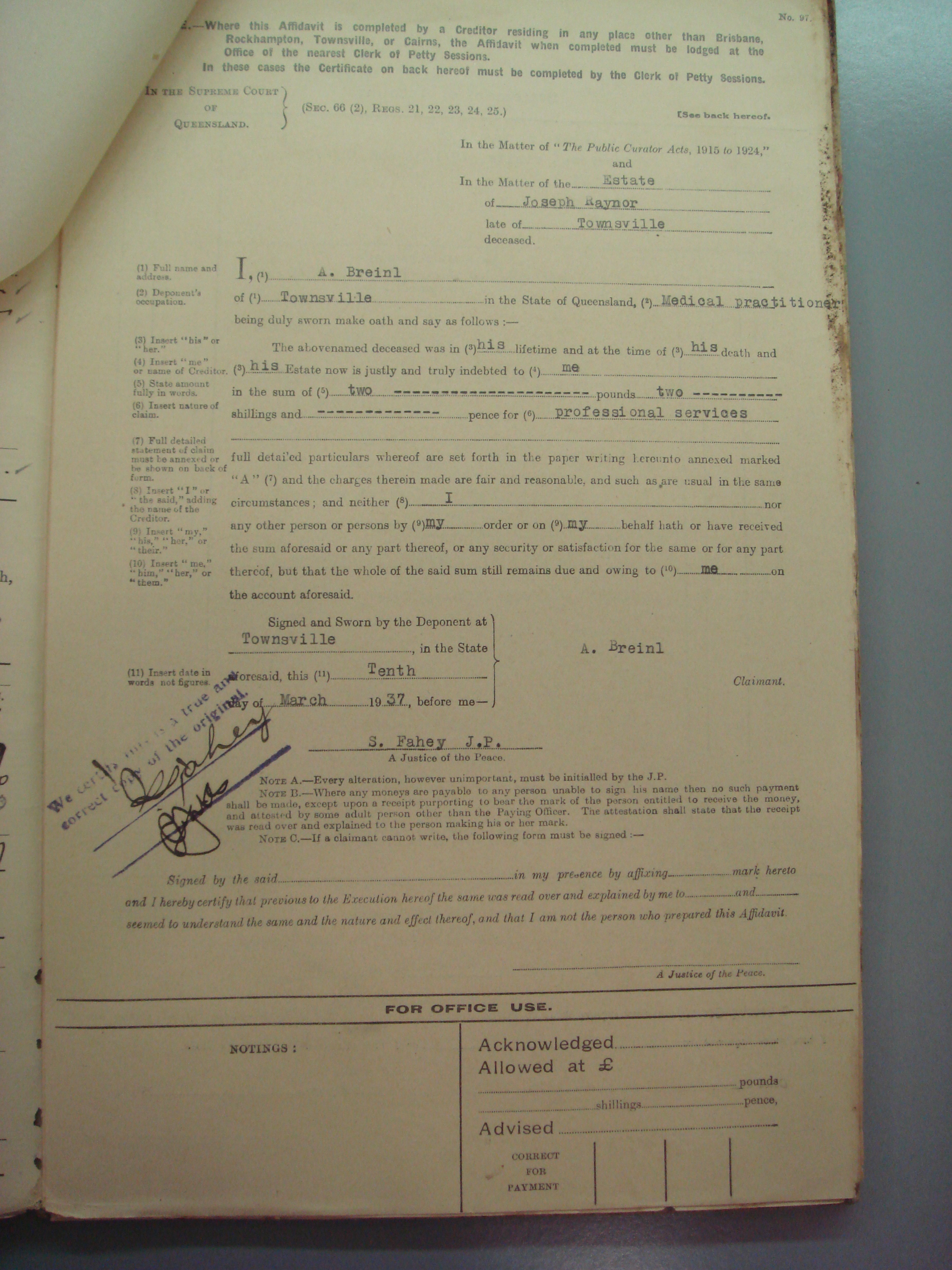
However Joseph also had a couple of creditors:
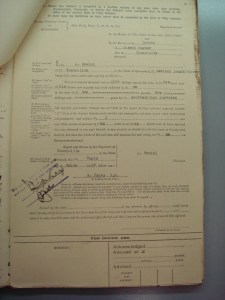
The above was a claim by Dr A Breinl for medical treatment provided. I am unsure if the medical was before Joseph’s death or perhaps a visit to the Raynor home to confirm Joseph had passed away.
The other creditor was funeral expenses – which was paid by the Waterside Workers Union (possibly the Curator paid the expenses, but the funds were provided by the Union).
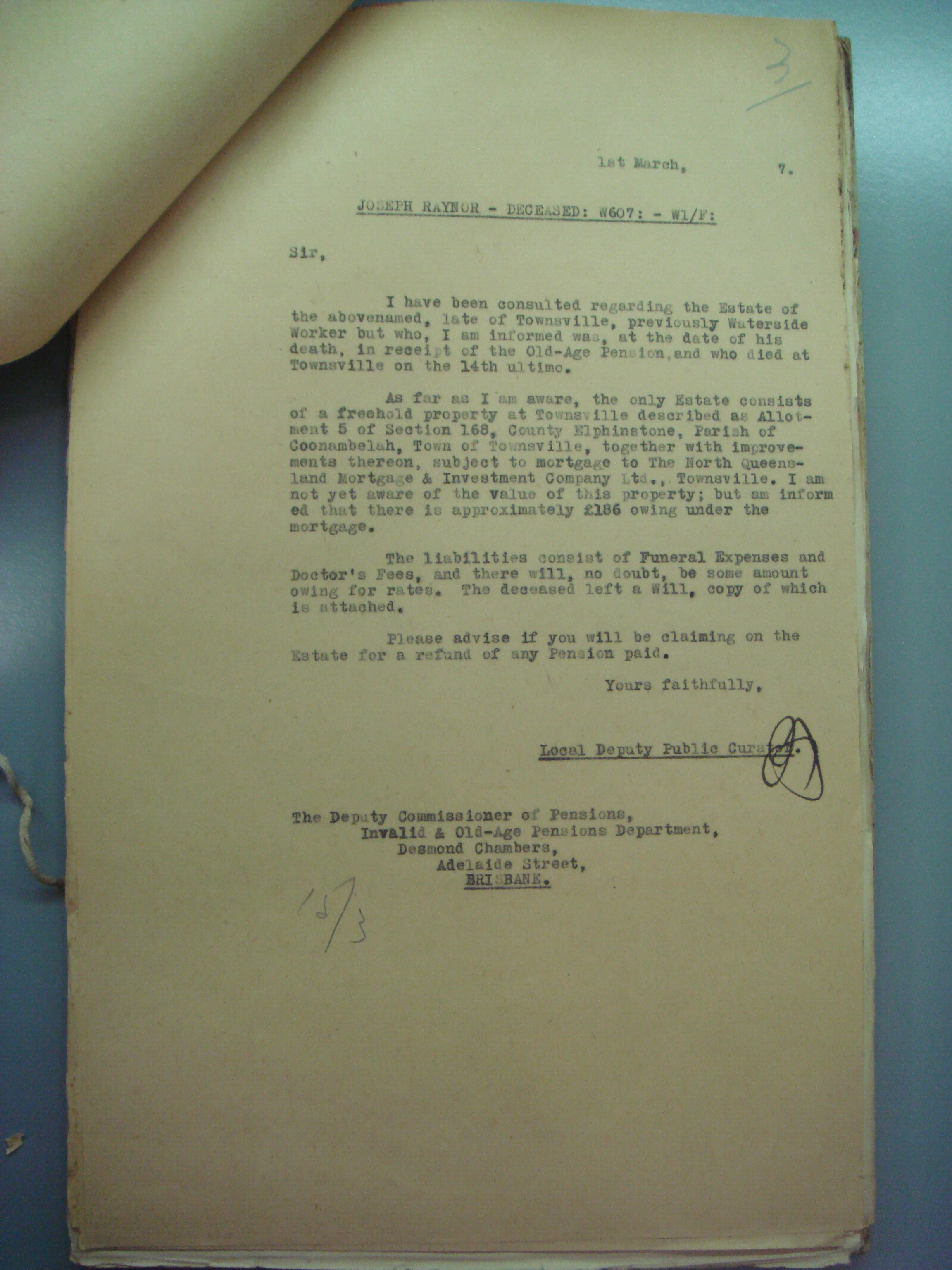
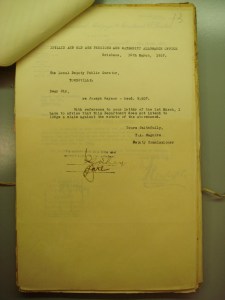
It appears Joseph might have been sent an Aged pension cheque after his death. The public curator wrote to the Aged pension office to ask if they intended to submit a claim on the estate for recovery of monies owing:
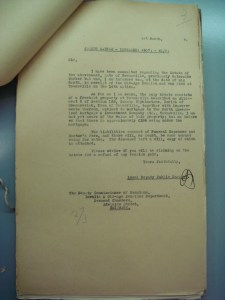
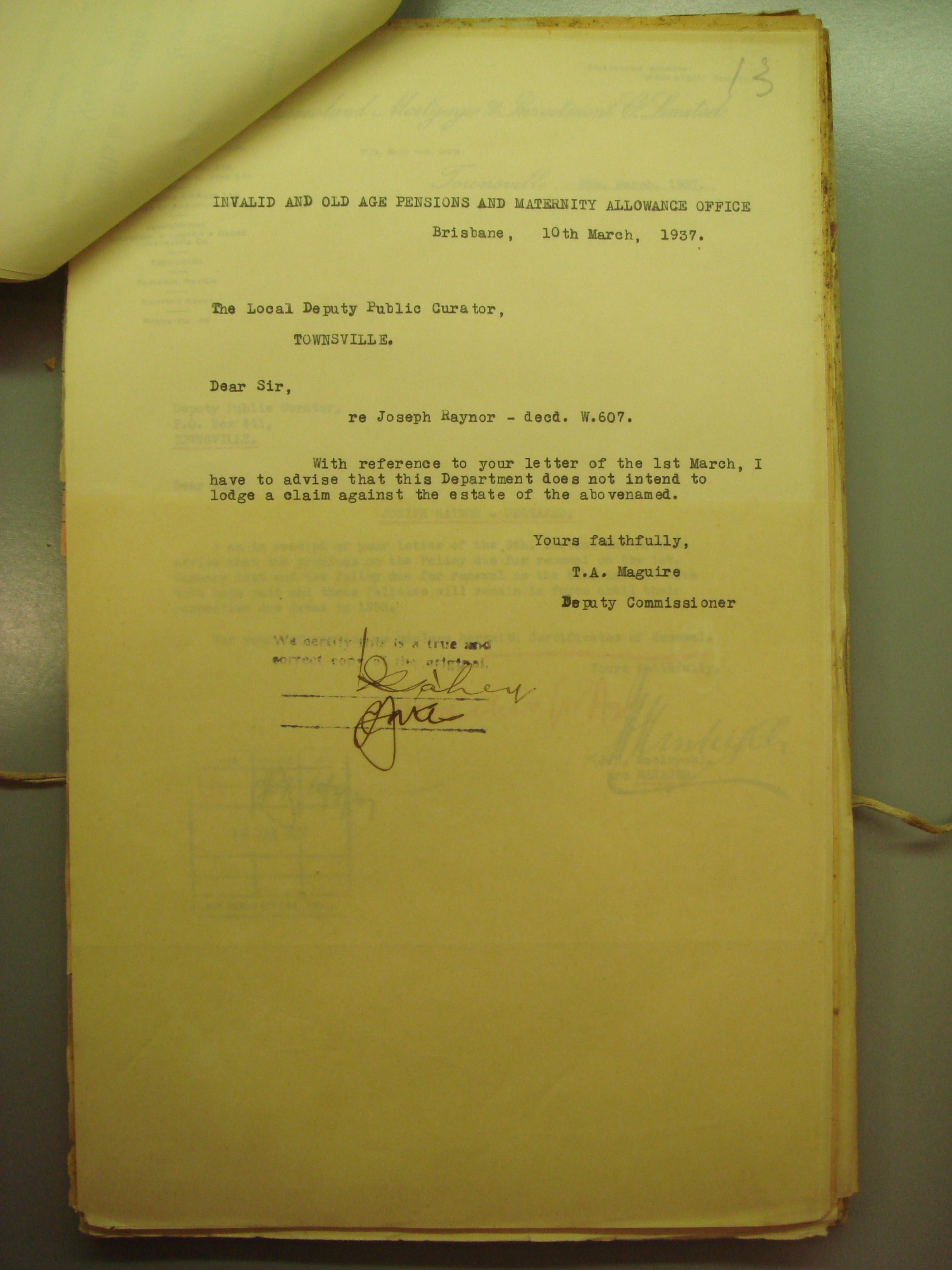
The Aged pension replied 10 March 1937 advising they would not lodge a claim:
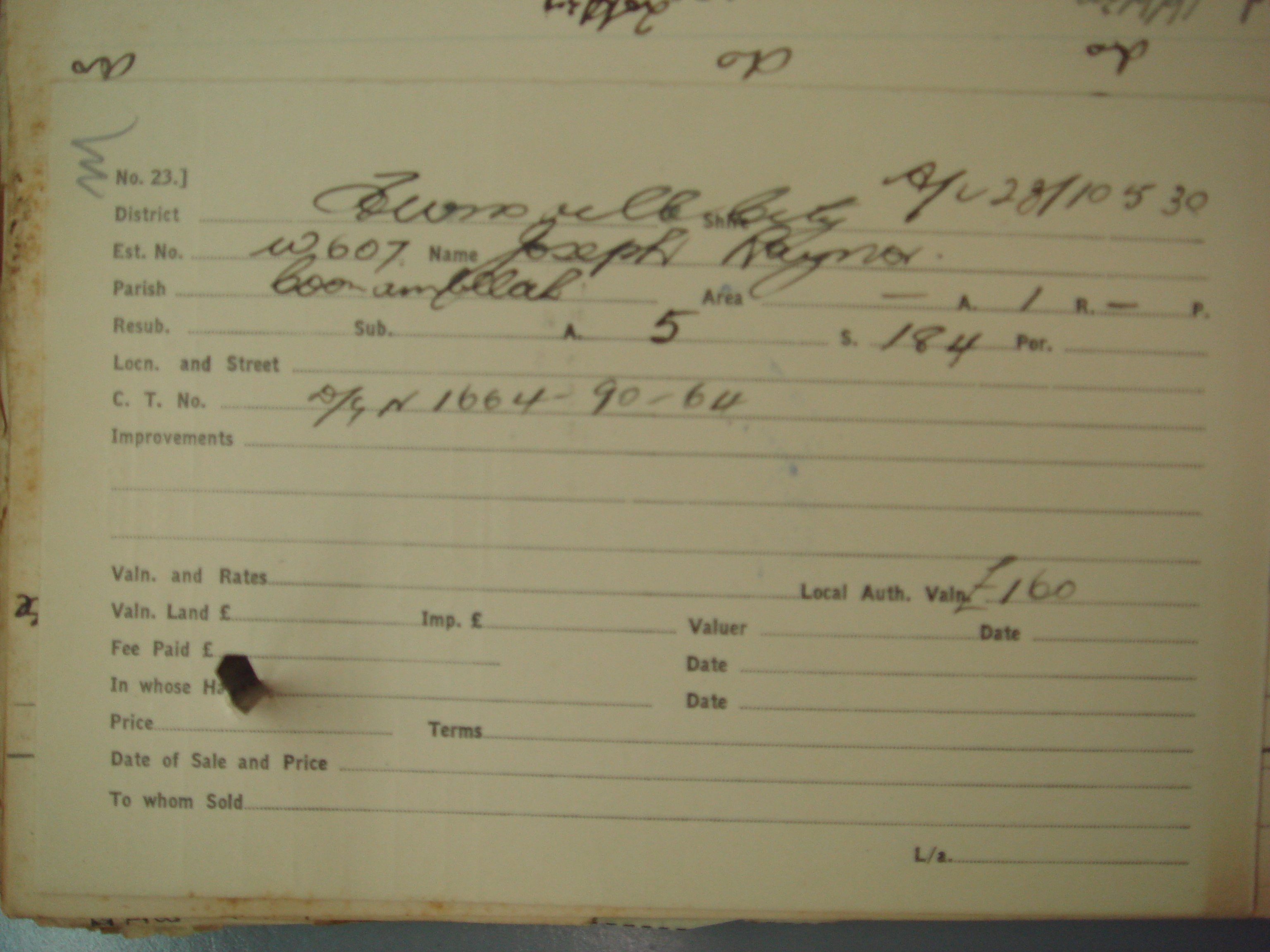
As Mary was the sole beneficiary of the estate, the home at 11 McIlwraith St would be transferred into her name. This required a valuation which was arranged by the curator:
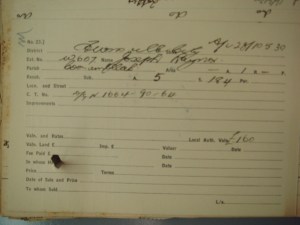
The valuation fees (above)
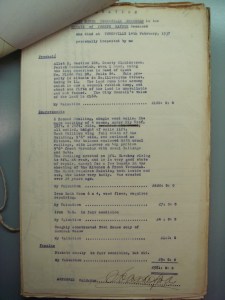
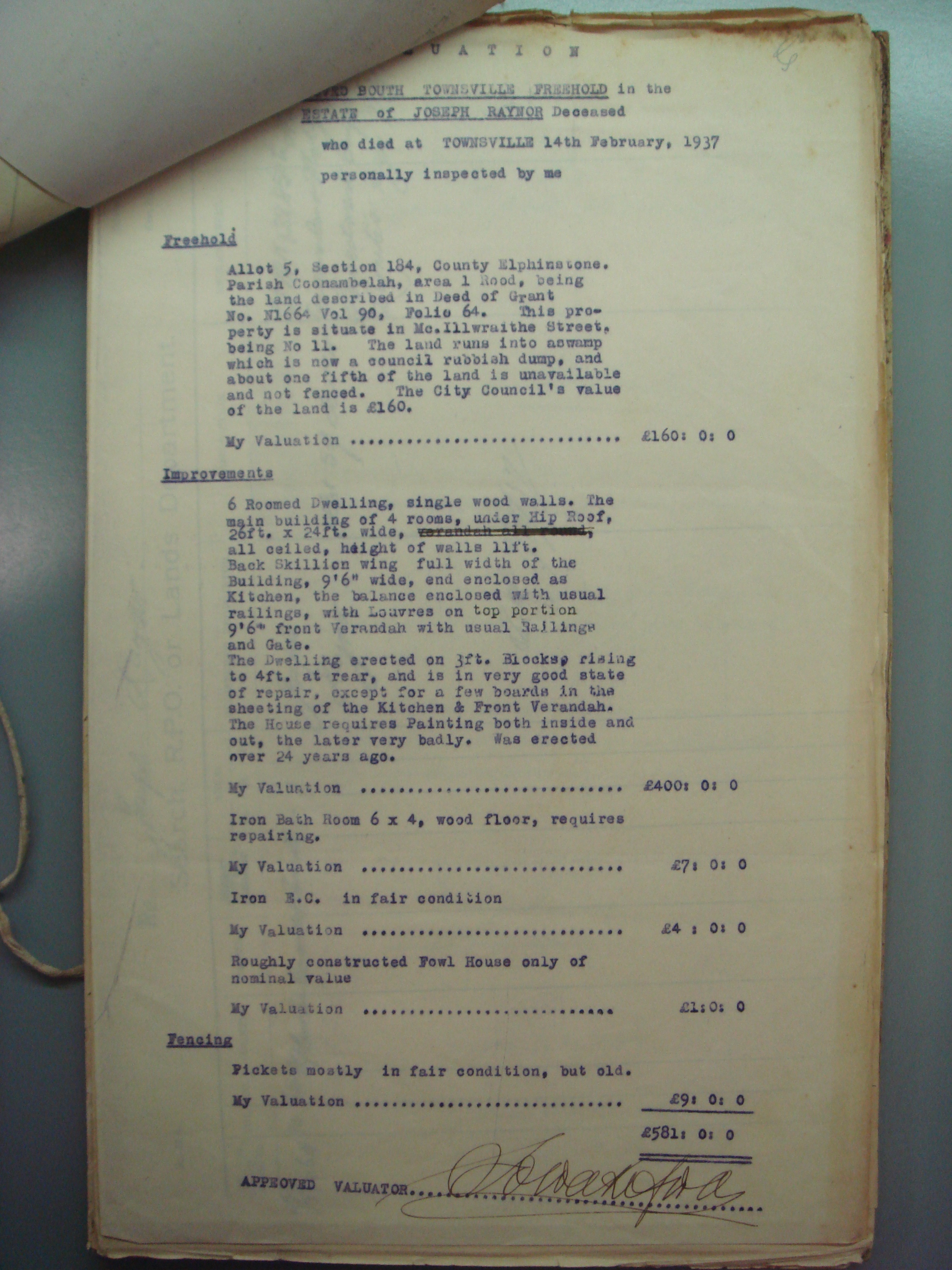
So what was the property worth in 1937?
The land valuation was the same as the Townsville City Council valuation – 160 pounds.
The house itself was described as being built 24 years earlier (1913?), and was a 6 room dwelling with single wood walls. The house was considered in good condition but badly in need of a paint, inside and outside. There were also some minor repairs needed in the bathroom. And the picket fence was described as being in fair condition, but old. The overall valuation of the house was 460 pounds.
Together with the land, the total value of the property was 580 pounds.
And a ‘roughly constructed Fowl House’ was given a nominal valuation of 1 (one) pound.
(Dad was sitting with me viewing the document said, ‘yep I remember the chook shed’. He was less than a year old at the time of Joseph’s death)
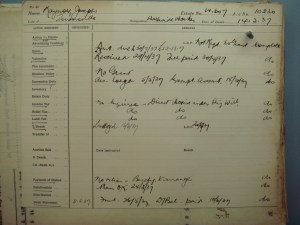
The Public curator kept records of all the estate expenses:
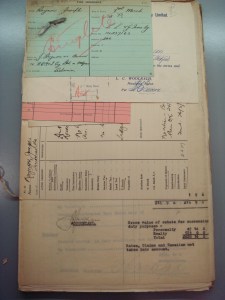
Including the funeral and advertising costs:
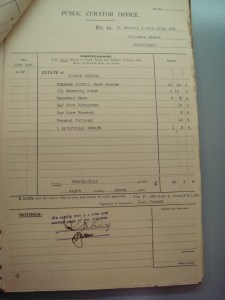
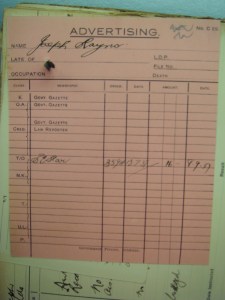
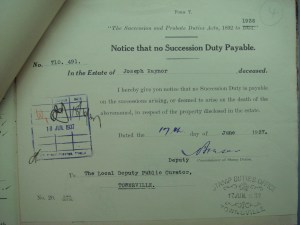
Succession duty was not charged to the estate:
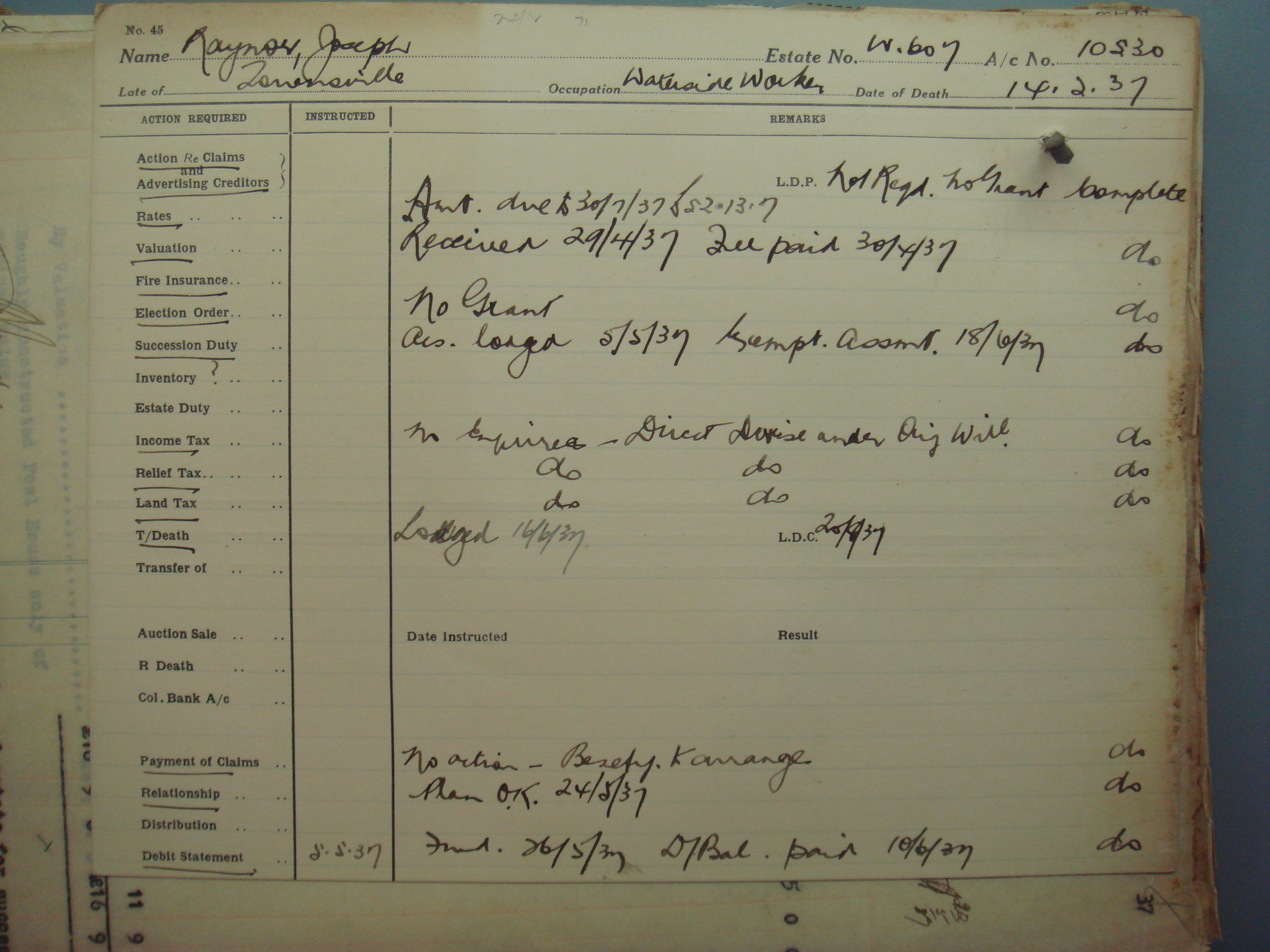
The Estate checklist for what needed to be completed in order to transfer the Joseph’s estate to Mary Jane:
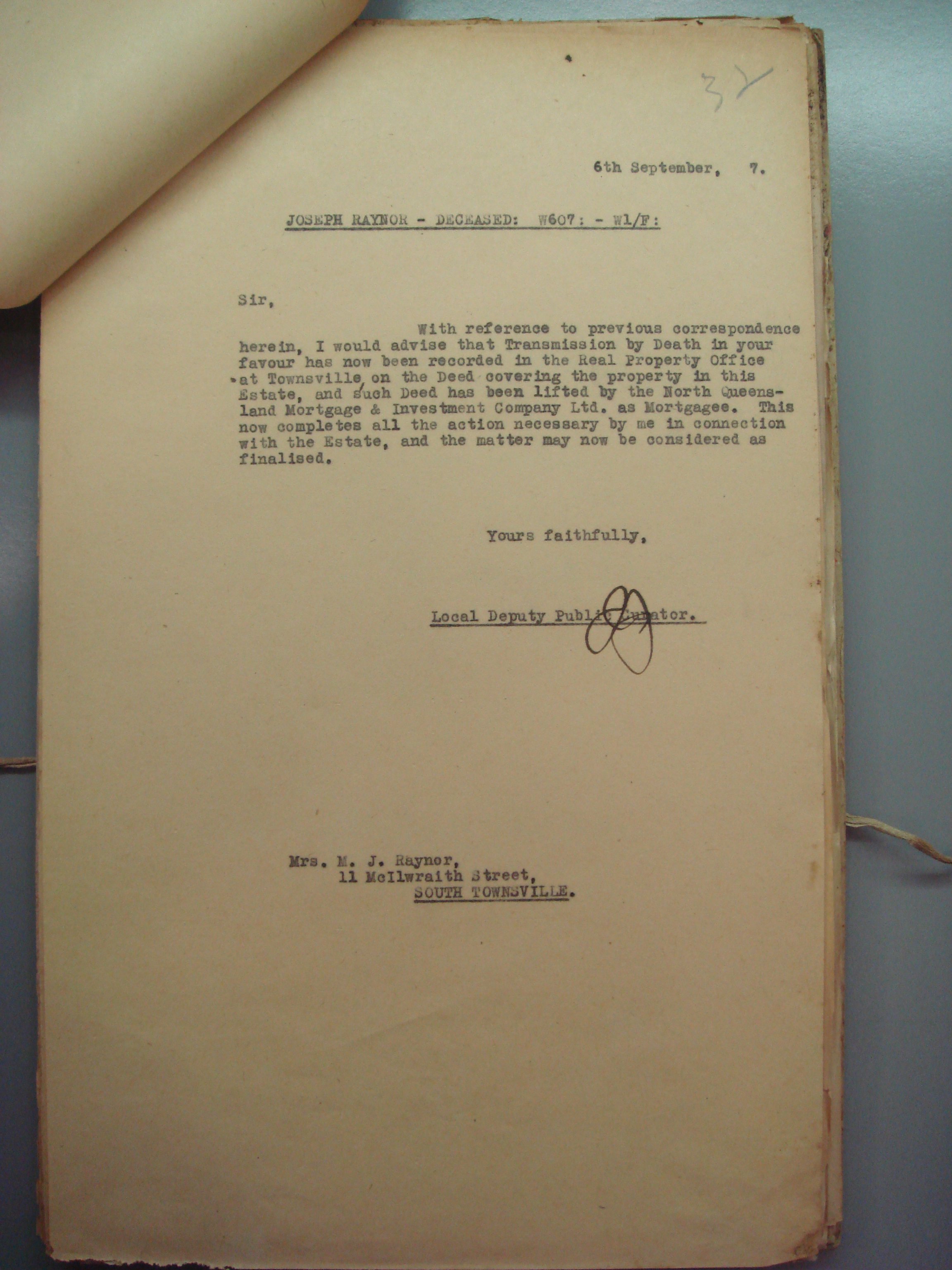
Finally in September 1937 the transfer of the property was completed
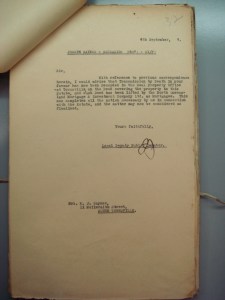
(note: the public curator addressed Mrs Raynor as ‘Sir’ instead of ‘Madam’, a typist mistake probably)
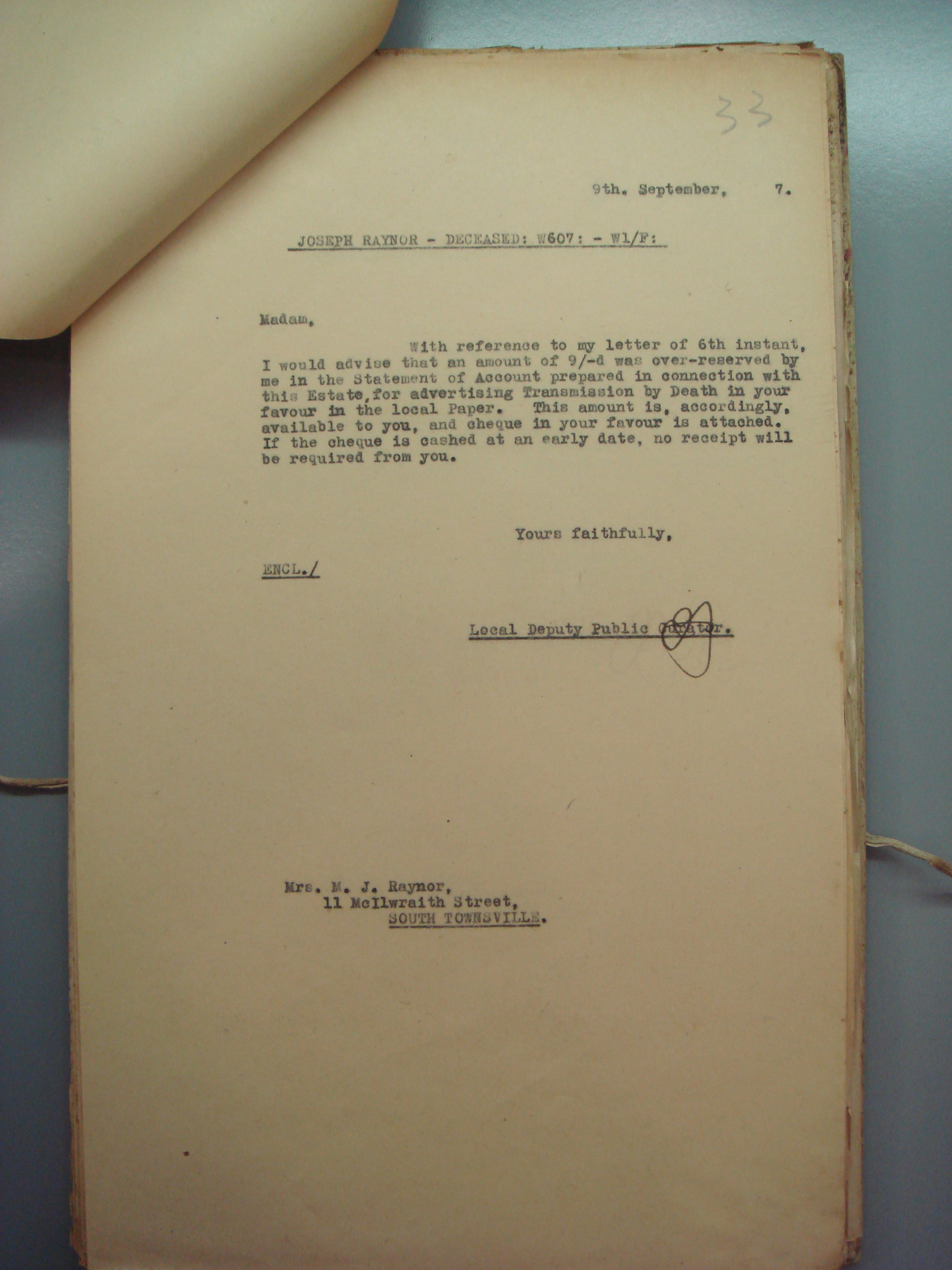
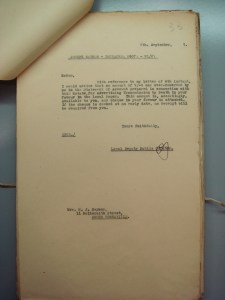
Then the public curator found some ‘change’ left over in the funds he’d made Mary Jane pay in order to finalise the estate, which he duly handed back:
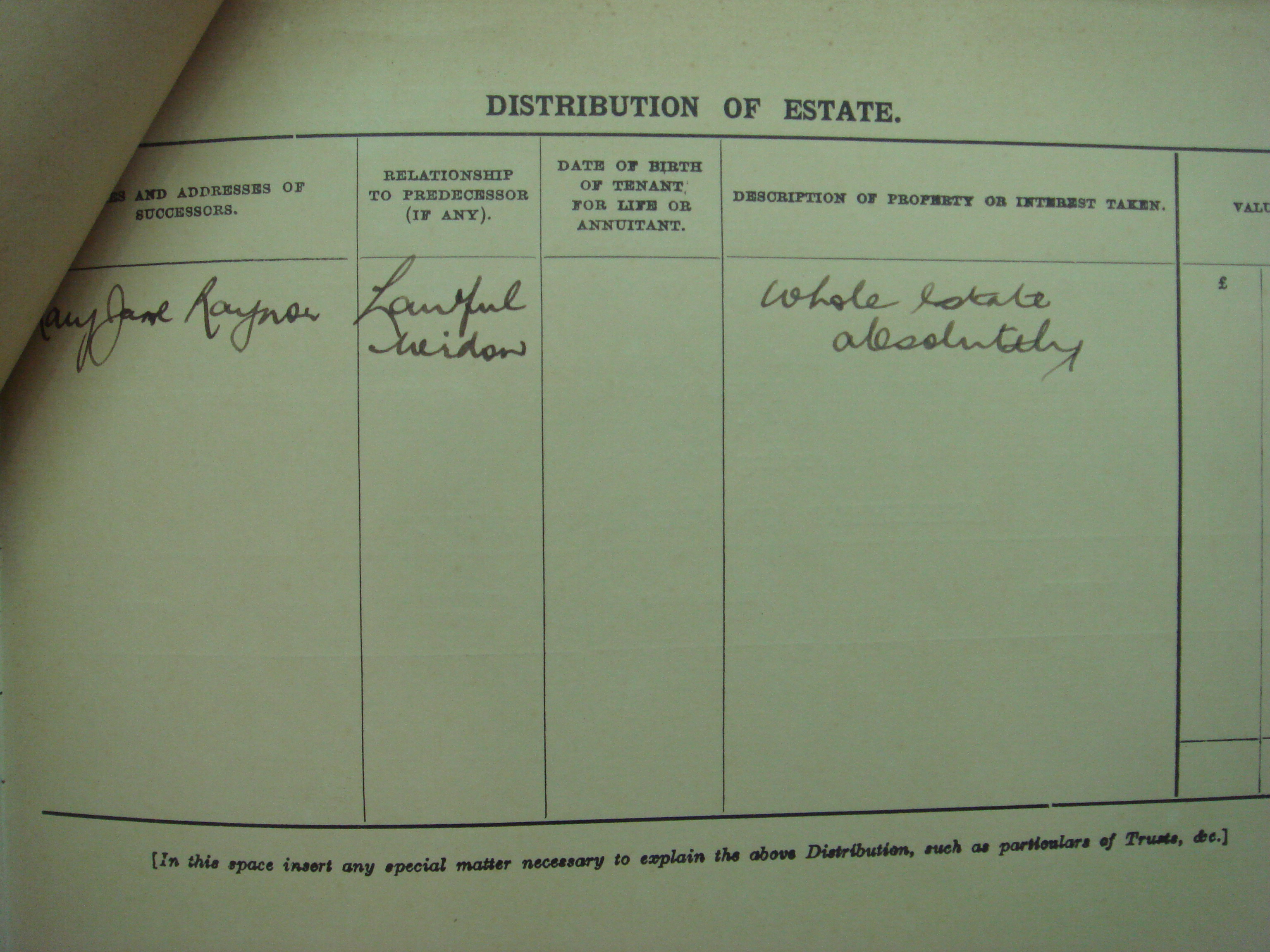
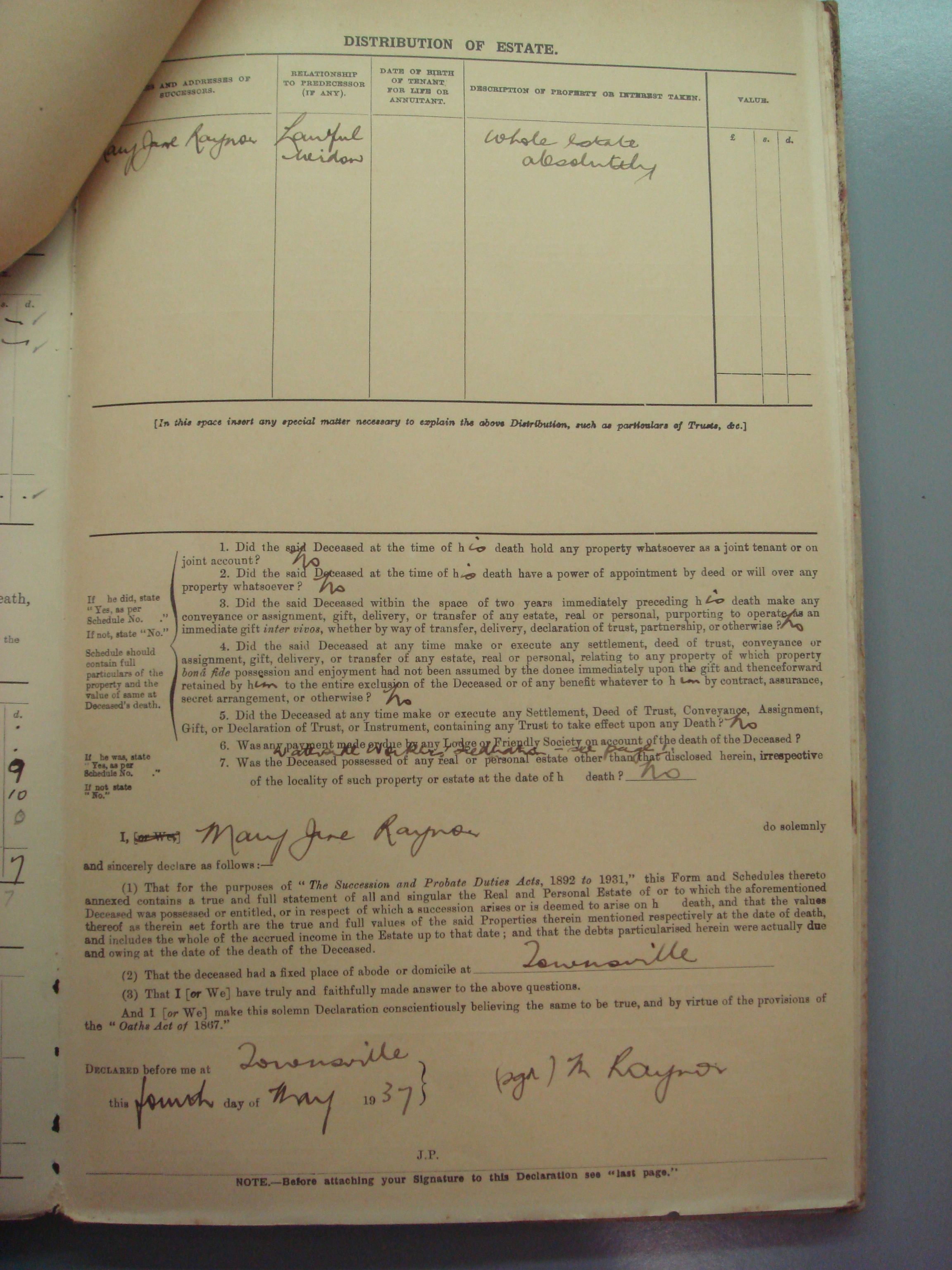
And the distribution of the estate, in accordance with Joseph’s Will:
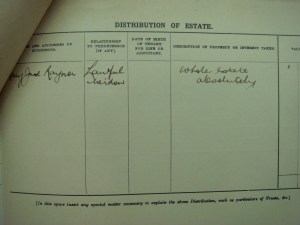
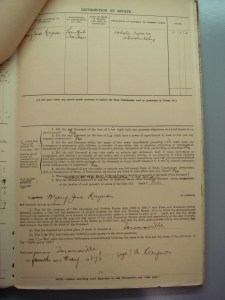
And Mary Jane signed a form which completed transfer of the Estate (the family home) into her name:
Having seen the will and estate file, there was no information or clues relating to Joseph’s sicilian family or past. Also, there is no mention of Joseph’s brother – if he was living in Australia then, surely he would have contacted Mary Jane? Still a mystery….